
7 Hair Color Ideas for Over 60 That Make You Look Younger
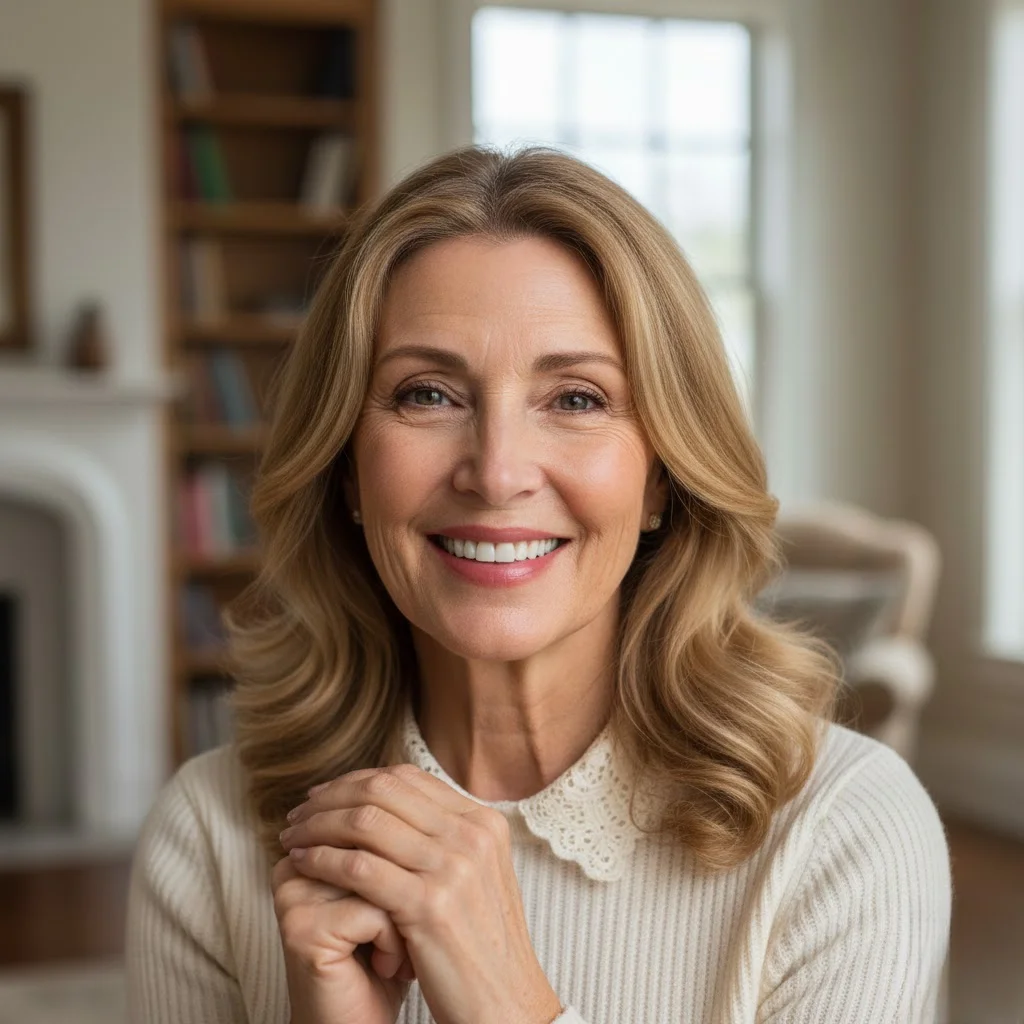
You've been coloring your hair the same shade for years. It used to make you feel vibrant and polished. But lately, when you catch your reflection, something feels off. Your skin looks tired. The color that once brightened your face now seems to drain it.
You're not imagining it. As skin tone shifts with age, the hair color that worked at 45 may no longer flatter at 60. The good news? A simple color adjustment can take years off your appearance—without any invasive procedures.
In this guide, you'll discover 7 hair colors that complement mature skin, learn which mistakes to avoid, and find a simple framework to choose the perfect shade for your unique features. While this guide covers general information, consider consulting a professional colorist for personalized advice.
The Short Answer
Yes, the right hair color can make you look younger—but it depends on choosing shades that harmonize with your skin. The key factors include matching your skin's undertone (warm or cool), maintaining appropriate contrast between hair and skin, and adding dimension rather than flat, solid color. Done right, a hair color change can brighten your complexion instantly. Done wrong, it can add years.
7 Hair Colors That Make Women Over 60 Look Younger
1. Warm Honey Blonde
Honey blonde is one of the most universally flattering shades for women over 60 with warm undertones. The golden tones reflect light onto the face, which can soften the appearance of shadows around the eyes and jawline.
Why it works: The warmth in honey blonde mimics the natural highlights the sun would create, giving you a healthy, radiant glow. According to colorists, warm tones tend to complement skin that has lost some of its natural warmth with age.
Best for: Women with warm undertones (yellow, peachy, or golden hints in skin), hazel or brown eyes.
Maintenance level: Medium. Touch-ups every 6-8 weeks.
2. Soft Caramel Highlights
If you're not ready to commit to an all-over color change, caramel highlights offer a lower-commitment option that adds dimension and brightness. The technique places lighter pieces strategically around the face.
Why it works: Highlights break up solid color, creating depth that makes hair appear fuller. Research in the field of color perception suggests that multidimensional color draws attention away from fine lines by creating visual interest elsewhere.
Best for: Brunettes who want to lighten gradually, women with medium to dark skin tones.
Maintenance level: Low to medium. Can stretch 10-12 weeks between appointments.
3. Ash Blonde with Dimension
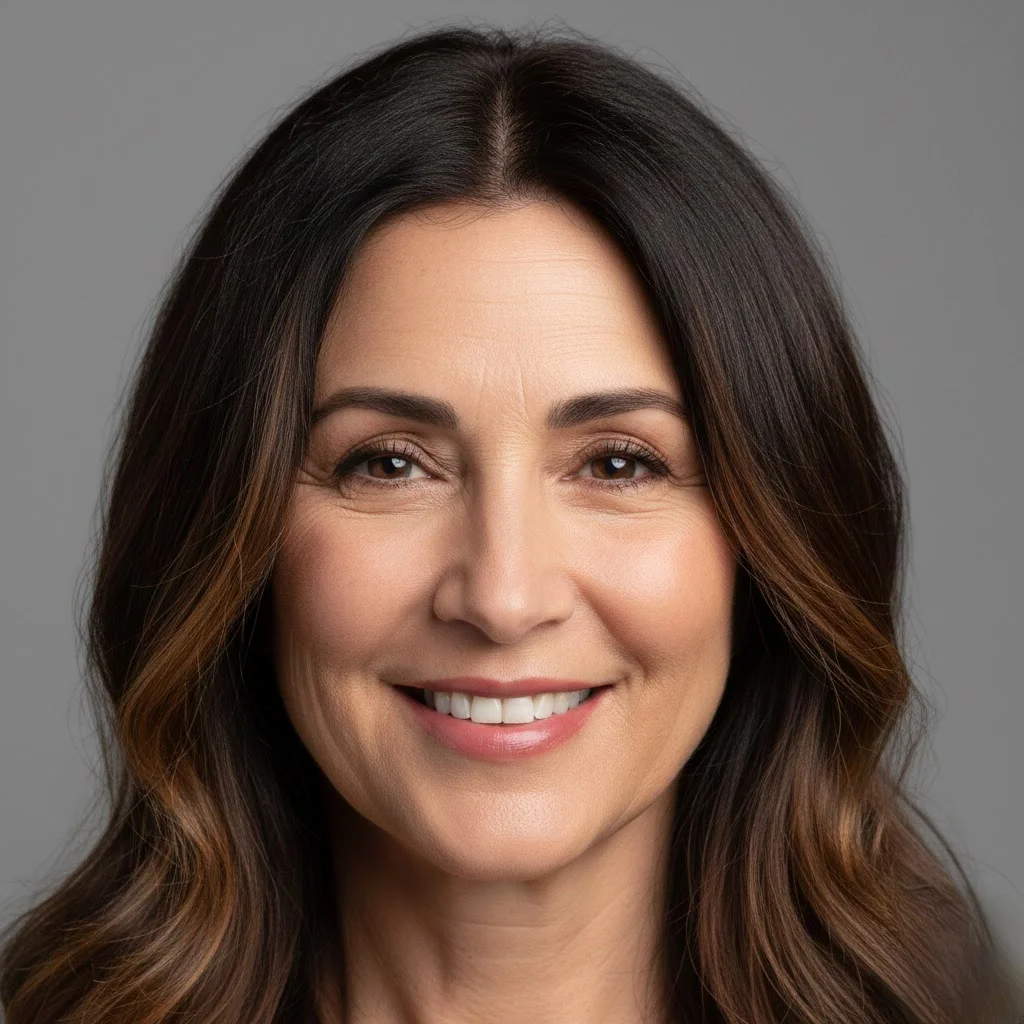
For women with cool undertones—pink or blue hints in the skin—ash blonde can be incredibly flattering. The key is adding enough dimension so the color doesn't appear flat or dull.
Why it works: Ash tones neutralize any redness in the skin and create a sophisticated, modern look. However, pure ash without dimension can look gray and aging. The solution is blending in a few warmer pieces for depth.
Best for: Women with cool undertones, blue or gray eyes, those transitioning from gray.
Maintenance level: Medium to high. Requires toning to prevent brassiness.
4. Rich Copper or Auburn
This is the bold choice—and it can be stunning on the right person. Copper and auburn shades add instant energy and warmth to the face.
Why it works: Red tones can brighten pale skin and create a striking contrast. According to hairstylists quoted in industry publications, the key is choosing a shade that complements rather than overwhelms your natural coloring.
Best for: Women with fair to medium skin, green or hazel eyes, those who enjoy making a statement.
Maintenance level: High. Red fades fastest and needs regular touch-ups every 4-6 weeks.
5. Silver or Platinum (Embracing Gray)
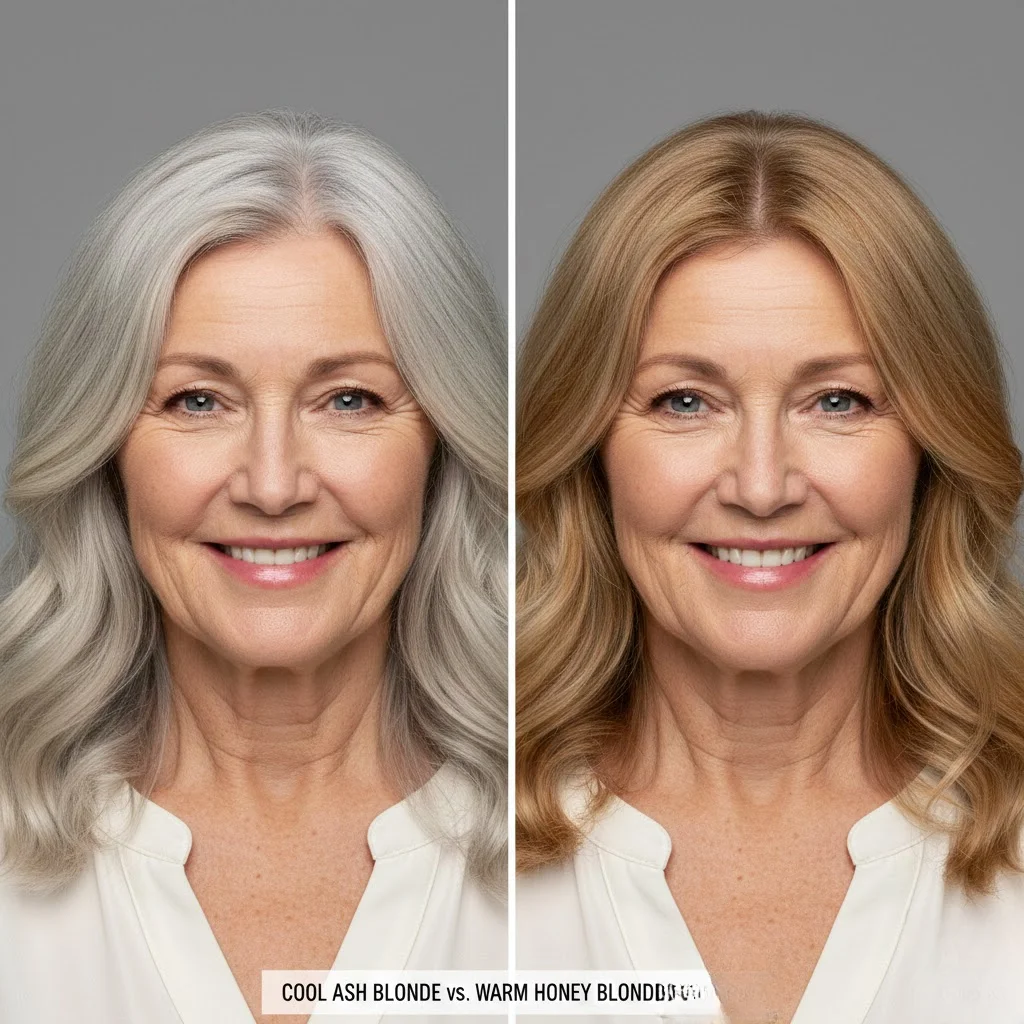
Going gray is no longer about "giving up"—it's a style choice that can look incredibly chic. For detailed tips on looking younger with gray hair, see our complete guide. Silver and platinum shades have become increasingly popular among women of all ages.
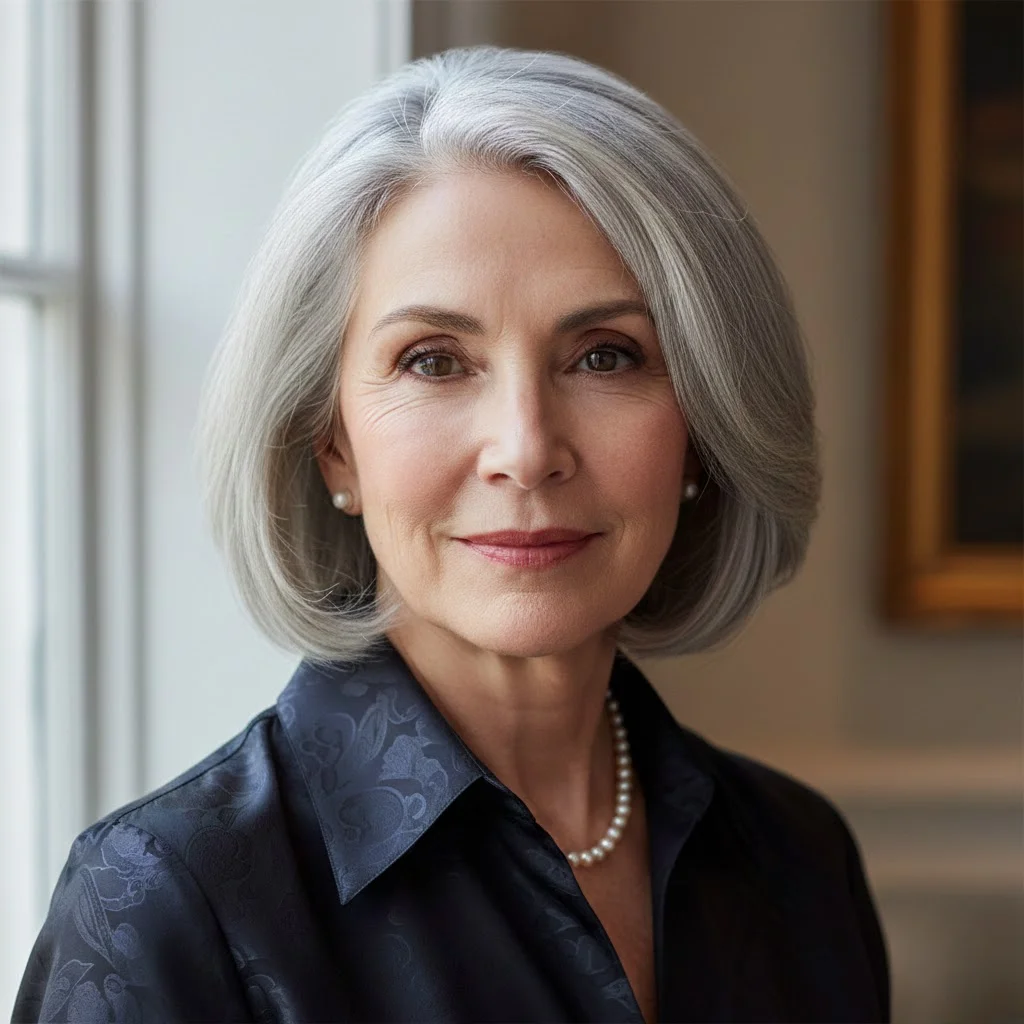
Why it works: When done intentionally, silver hair can create a luminous frame around the face. The key is ensuring the gray is bright and well-maintained, not dull or yellowed. As noted by stylists at AARP, some gray comes in gloriously silver, while other shades may need enhancing.
Best for: Women with 50%+ natural gray, cool undertones, those seeking low-maintenance options.
Maintenance level: Low once transitioned. Requires purple shampoo to prevent yellowing.
6. Soft Bronde (Brown + Blonde)
Bronde—the blend of brown and blonde—offers the best of both worlds. It's low-maintenance, universally flattering, and creates a naturally sun-kissed effect.
Why it works: The muted, gentle nature of bronde allows it to blend with the skin tone rather than competing with it. This creates a more natural, youthful appearance without the harshness of solid single-process color.
Best for: Women who want easy upkeep, neutral undertones, those who can't decide between blonde and brunette.
Maintenance level: Low. The blended grow-out means you can wait 12+ weeks between appointments.
7. Natural Gray with Warm Highlights
Not ready to go fully gray but want to embrace some silver? Adding warm highlights to gray hair can brighten the face while honoring your natural color.
Why it works: This hybrid approach prevents gray from looking flat or aging while reducing the commitment of full coverage color. It's what actresses like Diane Keaton and Glenn Close have used to transition gracefully.
Best for: Women with 30-70% gray who want to blend rather than cover.
Maintenance level: Low to medium. Touch-ups every 8-12 weeks.
Hair Color Comparison Chart
| Hair Color | Best Skin Tone | Maintenance | Youthful Effect | Gray Coverage |
|---|---|---|---|---|
| Warm Honey Blonde | Warm undertones | Medium | High | Full |
| Soft Caramel Highlights | Medium to dark | Low-Medium | Medium-High | Partial |
| Ash Blonde with Dimension | Cool undertones | Medium-High | Medium | Full |
| Rich Copper/Auburn | Fair to medium | High | High | Full |
| Silver/Platinum | Cool undertones | Low (after transition) | Medium-High | N/A (embraces gray) |
| Soft Bronde | Neutral undertones | Low | Medium-High | Partial |
| Gray with Warm Highlights | Any | Low-Medium | Medium | Blends gray |
5 Hair Color Mistakes That Age You
Even the right shade can look wrong if applied incorrectly. Here are the most common mistakes and how to avoid them.
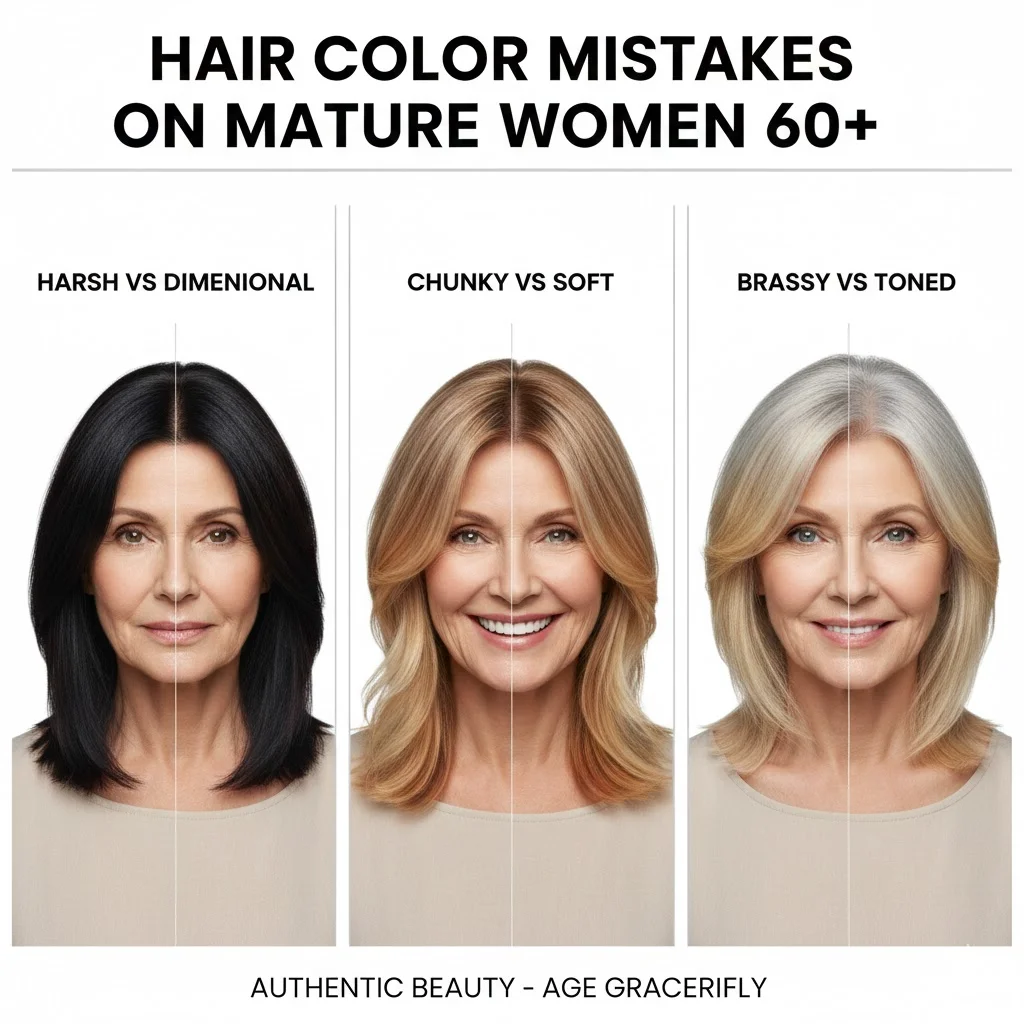
Mistake #1: Going Too Dark All Over
A solid, dark color creates harsh contrast against aging skin and can emphasize fine lines and wrinkles. Natural hair is never one solid color—it has dimension and variation.
The fix: If you love dark hair, ask your colorist to add subtle highlights or lowlights that are just 1-2 shades lighter. This creates dimension without dramatically changing your look.
Mistake #2: Too Much Ash Without Warmth
While ash tones can be flattering for cool undertones, too much ash—especially without any warm dimension—can make skin look sallow, tired, or washed out.
The fix: Even with cool-toned hair, a few warm pieces around the face can prevent the color from draining your complexion.
Mistake #3: Ignoring Brassiness
When blonde or highlighted hair turns orange or yellow, it can make your skin appear redder and more tired. This is especially common with at-home color or infrequent salon visits.
The fix: Use a purple shampoo weekly to neutralize yellow tones. For stubborn brassiness, ask your stylist about a toning gloss.
Mistake #4: Chunky or Harsh Highlights
Bold, stripy highlights that were trendy in the 1990s can look dated and unflattering on mature faces. They create harsh lines rather than soft dimension.
The fix: Ask for balayage or babylights—techniques that blend color gradually for a more natural effect.
Mistake #5: Not Adjusting Color as Skin Changes
The color that looked perfect at 45 may not work at 65. As skin loses pigment and changes tone, your hair color formula may need adjusting.
The fix: Have an honest conversation with your colorist about whether your current color still flatters your skin. Sometimes a small tweak—going half a shade lighter or adding warmth—makes all the difference.
How to Choose the Right Hair Color for Your Skin
Not sure which shade is right for you? Here's a simple framework to guide your decision.
Step 1: Determine Your Skin Undertone
Look at the veins on your inner wrist in natural light:
- Green veins = Warm undertone (golden, peachy skin)
- Blue/purple veins = Cool undertone (pink, rosy skin)
- Both colors visible = Neutral undertone
Step 2: Assess Your Natural Contrast Level
Compare your natural hair color (or what it was before graying) to your skin:
- High contrast: Dark hair, light skin → Can handle more dramatic color changes
- Low contrast: Hair and skin are similar in depth → Softer, blended colors work best
Step 3: Consider Your Lifestyle and Maintenance Preference
Be honest about how often you'll maintain your color. High-maintenance shades like copper or platinum require regular upkeep to look their best.
| Your Undertone | Recommended Shades |
|---|---|
| Warm | Honey blonde, caramel, copper, warm bronde |
| Cool | Ash blonde, platinum, silver, cool brown with highlights |
| Neutral | Bronde, soft caramel, beige blonde |
Real Stories: Hair Color Transformations
Understanding how others have navigated aging, gray hair, and personal comfort with appearance can provide perspective — though individual results vary significantly. For more visual examples, see our guide on hair color before and after transformations.
Letting hair go gray doesn’t mean doing nothing—small adjustments elsewhere can make a big difference
“I’m 54, nearly all grey — I stopped coloring my hair about 7 years ago. I too am diligent now about sunscreen, was not when I was younger. Maybe a tinted moisturizer could help fill the ‘gap’? Also a makeup check color-wise could help.
Not to be insensitive at all — I’ve been through this same experience, and when I switched up a few other things outside of my hair, it made a big difference.”
— u/KAJ35070, r/AskWomenOver50
Continuing to color hair can be about identity and self-recognition—not denial
“I’m 62 & have been blonde since birth as well. I refuse to stop coloring my hair. I won’t recognize myself in the mirror & refuse to show more age than necessary.
My mother is 93 & is still blonde! You have to do what you are most comfortable for you. Good luck with your decision.”
— u/Peace_Hope_Luv, r/over60
Embracing gray hair can improve confidence—and even hair health—once the transition is over
“The last time I dyed was Dec 2019. Once we locked down, I decided not to bother. I have beautiful silver at the temples and the rest is salt and pepper.
Not gonna lie, the growing out was a bit rough psychologically, but now that it’s done I’ll never go back. My husband loves it and compliments me on it at least weekly. I still feel pretty and think it suits me.
When I was still dying my hair, I noticed my hairline was slowly moving backward. Now that I’ve stopped, it’s moving back forward with lots of little baby hairs growing in.”
— u/msinclaire, r/AskWomenOver60
Key takeaway: There is no single “right” way to age gracefully. Some women feel empowered by embracing gray hair, others feel most themselves continuing to color it. What matters most is comfort, self-recognition, and making complementary adjustments—whether through skincare, makeup, or styling—that support how you want to feel when you look in the mirror.
FAQ
Does going lighter always make you look younger?
Not necessarily. Going lighter works when it complements your skin tone and adds brightness to your face. If you go too light without dimension, or choose a cool shade when you have warm undertones, the effect can actually be aging. The key is matching the color to your unique features.
Should I embrace gray or keep coloring my hair?
This is a personal decision that depends on your lifestyle, preferences, and how your natural gray comes in. Some women have stunning silver that requires little enhancement. Others find their gray has a dull or yellowish tone that needs color support. Consider consulting with a colorist who can assess your specific situation.
How often should I touch up my roots after 60?
It depends on your chosen color and technique. All-over single-process color typically needs touch-ups every 4-6 weeks. Highlights, balayage, or lowlights can often stretch 8-12 weeks because the grow-out is more gradual and natural-looking.
Can I color my hair at home safely?
While at-home color has improved significantly, achieving the dimensional, natural-looking results that are most flattering for mature women can be challenging without professional training. If you do color at home, consider using demi-permanent formulas, which are gentler and create softer grow-out lines.
What's the best way to transition to gray?
Work with a stylist to blend your existing color with your incoming gray using highlights or lowlights. This softens the line between dyed and natural hair, making the transition much less noticeable. Some women also opt for a shorter haircut to speed up the process.
Your 3-Step Action Plan (Start Today)
Step 1: Assess your current look (5 minutes) Take a photo of yourself in natural daylight. Does your current hair color brighten your face or drain it? Be honest with yourself.
Step 2: Identify your undertone (3 minutes) Use the vein test described above to determine whether you have warm, cool, or neutral undertones. This will narrow down your best shade options significantly.
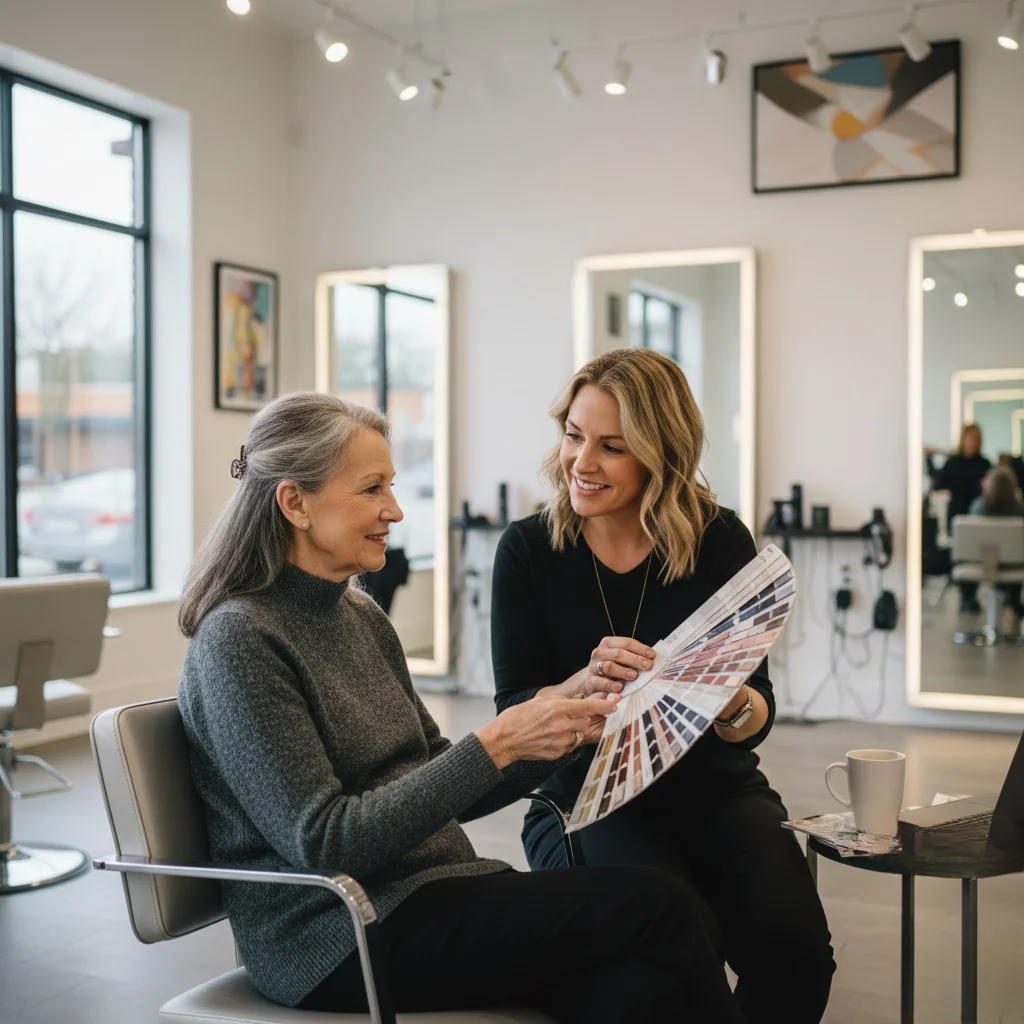
Step 3: Book a consultation (10 minutes) Find a colorist who specializes in mature clients. Bring photos from this guide showing the shades you're considering. A good colorist will assess your skin tone, hair texture, and lifestyle to recommend the perfect formula.
Expected results: Most women notice an immediate difference in how refreshed they look after a well-chosen color update. Friends and family may comment that you look "well-rested" or "glowing"—without being able to pinpoint exactly why.
Bottom Line
The right hair color isn't about hiding your age—it's about creating harmony between your hair and your changing skin tone. Whether you choose to embrace silver, add warm highlights, or refresh your existing color, the goal is the same: looking like the best, most vibrant version of yourself.
Curious how old you look right now? Try our free AI age detector to see your current perceived age, then revisit after your color update to see the difference.
Related Guides
Complete Hair Color Guide:
Anti-Aging Appearance:
- How to Look 10 Years Younger: Science-Backed Methods That Actually Work
- Does Losing Weight Make You Look Younger or Older?
Lifestyle Factors:
Disclaimer: This article is for informational purposes only and does not constitute medical or professional beauty advice. The information provided is based on general research and should not replace consultation with a licensed cosmetologist or dermatologist. Individual results may vary based on hair type, skin tone, and other factors. Always consult with a qualified professional before making significant changes to your hair color routine.