
Hair Color Before and After: 7 Transformations That Take Years Off
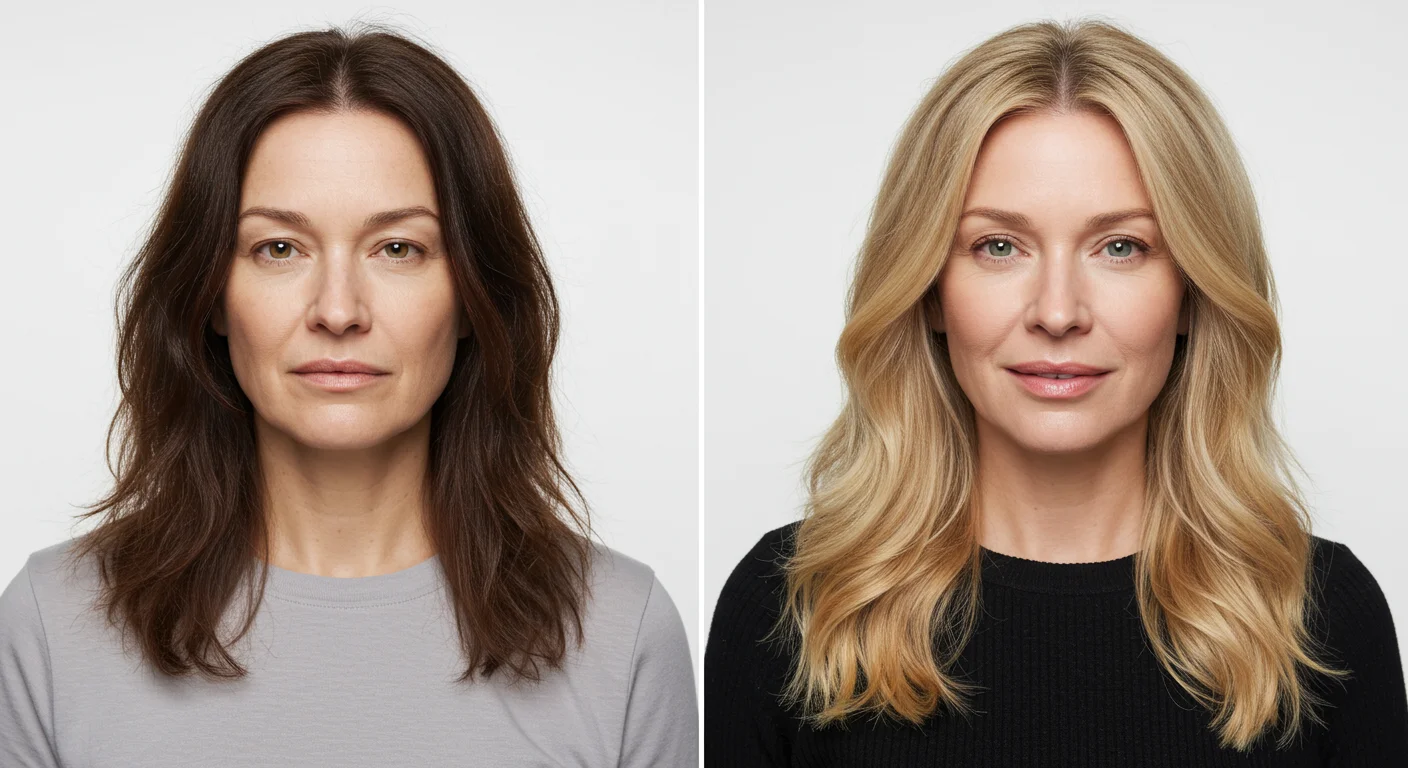
You've seen the salon transformations on social media—women walking in with dull, aging hair and leaving with a vibrant, youthful glow. But here's what those posts don't show: the countless others who walked out looking older than when they came in.
The difference between a successful hair color transformation and a regrettable one often comes down to understanding what actually works—and having realistic expectations before you sit in that chair. That's why before and after examples matter more than any color recommendation list.
In this guide, you'll see 7 types of hair color transformations that consistently help women look younger, learn how to "read" before and after photos accurately, and discover how to avoid the mistakes that age you instead. Whether you're considering your first color change or correcting a previous one, these real-world examples will help you make a confident decision.
Note: Individual results vary based on your starting color, skin tone, and hair condition. Consider consulting a professional colorist for personalized advice.
The Short Answer
The most successful hair color transformations for looking younger share three elements: (1) adding dimension instead of flat color, (2) incorporating warm tones that brighten the face, and (3) softening the contrast between hair and skin.
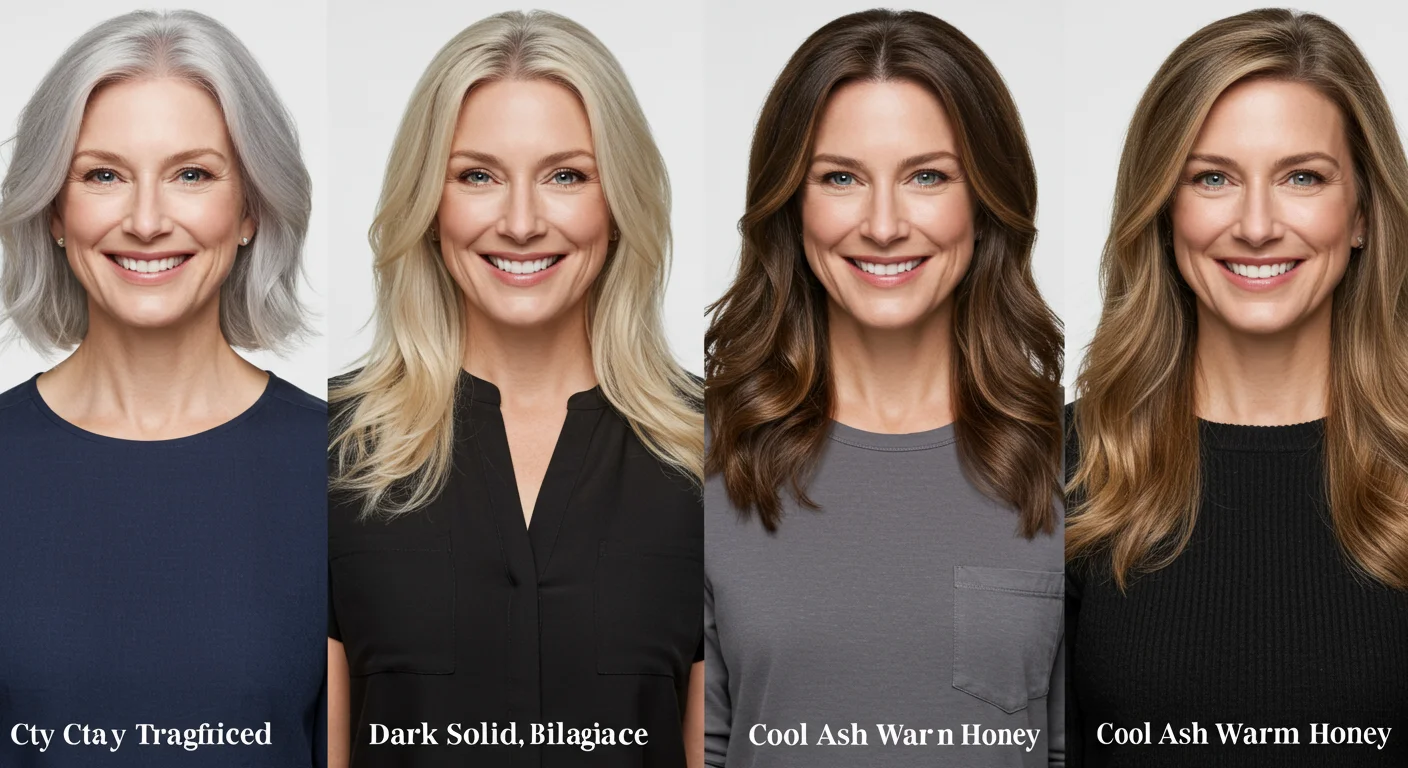
The 7 transformation types that consistently deliver results include: gray to dimensional blonde, dark solid to warm balayage, single-tone to face-framing highlights, cool ash to warm honey, flat color to multi-dimensional, too-dark to softened brunette, and grown-out roots to blended transition.
Why Before and After Photos Tell the Real Story
Reading a list of "best hair colors to look younger" is one thing. Seeing the actual transformation on a real person is another entirely.
Here's the problem with color recommendations alone: honey blonde might look stunning on one woman and completely wash out another. The same shade of caramel that brightens your friend's face could emphasize every shadow on yours. Without seeing the starting point and the result together, you're essentially guessing.
Before and after photos serve three critical purposes:
1. They show realistic expectations. You can see what's actually achievable based on similar starting points to yours. A woman going from jet black to platinum in one session? That's either multiple appointments edited together or damaged hair waiting to happen.
2. They reveal the transformation process. The best "after" photos show not just the color, but the technique—balayage placement, face-framing highlights, dimensional lowlights. These details matter more than the shade name.
3. They help you communicate with your colorist. Bringing before and after photos of women with similar hair to yours gives your stylist concrete reference points instead of vague descriptions like "warm but not too warm."
How to Read Before and After Photos Critically
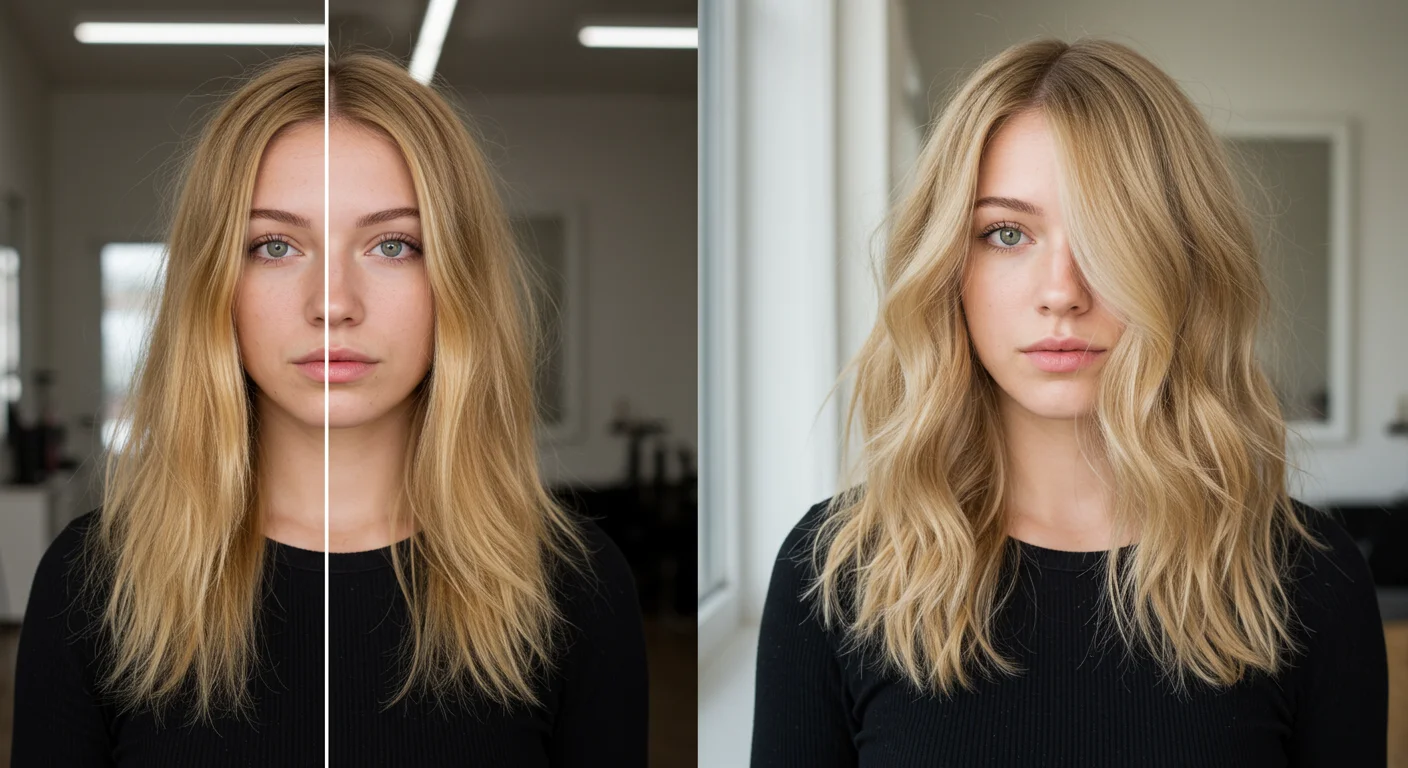
Not all before and after photos tell the truth. Watch for these factors:
- Lighting changes: Harsh overhead light in "before," soft natural light in "after" can make any color look better
- Styling differences: Flat, unstyled "before" vs. blown-out, curled "after" affects perception
- Makeup adjustments: Different makeup can dramatically change how hair color reads against the face
- Filters and editing: Warmer filters can make any color appear more flattering
The most honest comparisons use consistent lighting, similar styling, and natural makeup in both images.
7 Hair Color Transformations That Take Years Off
Based on what consistently works across different hair types, skin tones, and ages, these seven transformation categories deliver the most reliable "younger-looking" results.
1. Gray to Dimensional Blonde
Best for: Women with 50%+ natural gray and cool to neutral undertones
The transformation: Instead of fighting gray with single-process color that creates an obvious line of demarcation, this approach embraces the gray while adding strategic blonde and silver tones for dimension.
Why it works: Flat gray can look dull and aging. But gray with platinum highlights, silver lowlights, and strategic toning becomes intentional and chic. The dimension catches light, brightening the face rather than washing it out.
What to ask your colorist: "I want to blend my gray into a dimensional silver-blonde rather than cover it. Can we add lighter pieces around my face?"
For more on making gray work for you, see our guide on how to look younger with gray hair.
2. Dark Solid to Warm Balayage
Best for: Women with dark brown or black hair and warm undertones who feel their solid color looks harsh
The transformation: Breaking up a single dark shade with hand-painted caramel, toffee, or honey highlights that concentrate around the face and through the ends.
Why it works: Solid dark hair creates maximum contrast against aging skin, emphasizing every shadow and line. Balayage introduces light strategically, softening the overall effect while maintaining depth at the roots for a natural look.
What to ask your colorist: "I want to soften my dark hair with warm balayage, focusing the lightest pieces around my face. I'd like to keep depth at the roots for easy grow-out."
3. All-Over Color to Face-Framing Highlights
Best for: Any base color; women who want subtle change with maximum impact
The transformation: Adding lighter pieces specifically around the face—at the temples, framing the cheekbones, and through the front sections—while leaving the rest of the hair unchanged or minimally altered.
Why it works: Face-framing highlights act like a natural brightening filter. They draw light toward your eyes, soften the appearance of shadows, and create a lifted effect around the cheekbones—all without requiring full-head color.
What to ask your colorist: "I want face-framing highlights that brighten my complexion. Can we keep them soft and blended rather than chunky?"
4. Cool Ash to Warm Honey
Best for: Women whose current ash or cool-toned color makes them look washed out or tired
The transformation: Shifting from cool, ashy tones (which can read gray against certain skin tones) to warmer honey, caramel, or golden shades that complement the skin's natural warmth.
Why it works: As skin loses some of its natural warmth with age, cool hair colors can create a pallid, tired appearance. Warm tones counteract this, adding back the healthy glow that cool shades can drain. For a deeper dive into which colors work best, see what hair color makes you look younger.
What to ask your colorist: "My current ash tone feels like it's washing me out. Can we add warmth without going brassy? I'm thinking honey or soft gold tones."
5. Single-Tone to Multi-Dimensional
Best for: Anyone with flat, "helmet-like" color that looks unnatural or wig-like
The transformation: Adding depth and movement through a combination of highlights and lowlights that mimic natural hair's variation in tone.
Why it works: Natural hair is never one solid color—it has subtle variations from sun exposure, different growth patterns, and natural pigment distribution. Single-process color removes all this dimension, creating an artificial look that paradoxically ages you by looking "too perfect" to be real.
What to ask your colorist: "My color looks flat and unnatural. Can we add dimension with highlights and lowlights that look like natural variation rather than obvious streaks?"
6. Too-Dark to Softened Brunette
Best for: Women whose dark color (especially jet black) creates harsh contrast against their face
The transformation: Lifting the overall color 1-2 shades lighter and adding warm undertones to soften the effect against the skin.
Why it works: Very dark hair against aging skin can emphasize every line, shadow, and imperfection by creating stark contrast. Softening to a rich chocolate, chestnut, or warm espresso maintains depth while reducing harshness.
What to ask your colorist: "I think my black hair is looking too harsh. Can we lift it to a softer dark brown and add some warm undertones?"
7. Grown-Out Roots to Blended Transition
Best for: Women with visible demarcation lines from previous color, or those transitioning between colors
The transformation: Creating a gradual blend from darker roots to lighter ends using techniques like shadow root, root smudging, or color melting.
Why it works: A harsh line where color meets regrowth screams "overdue for a touch-up." Blended roots look intentional and modern, reduce maintenance needs, and create a more natural appearance as hair grows.
What to ask your colorist: "I want to grow out more gracefully without the obvious line. Can we create a shadow root or blended transition?"
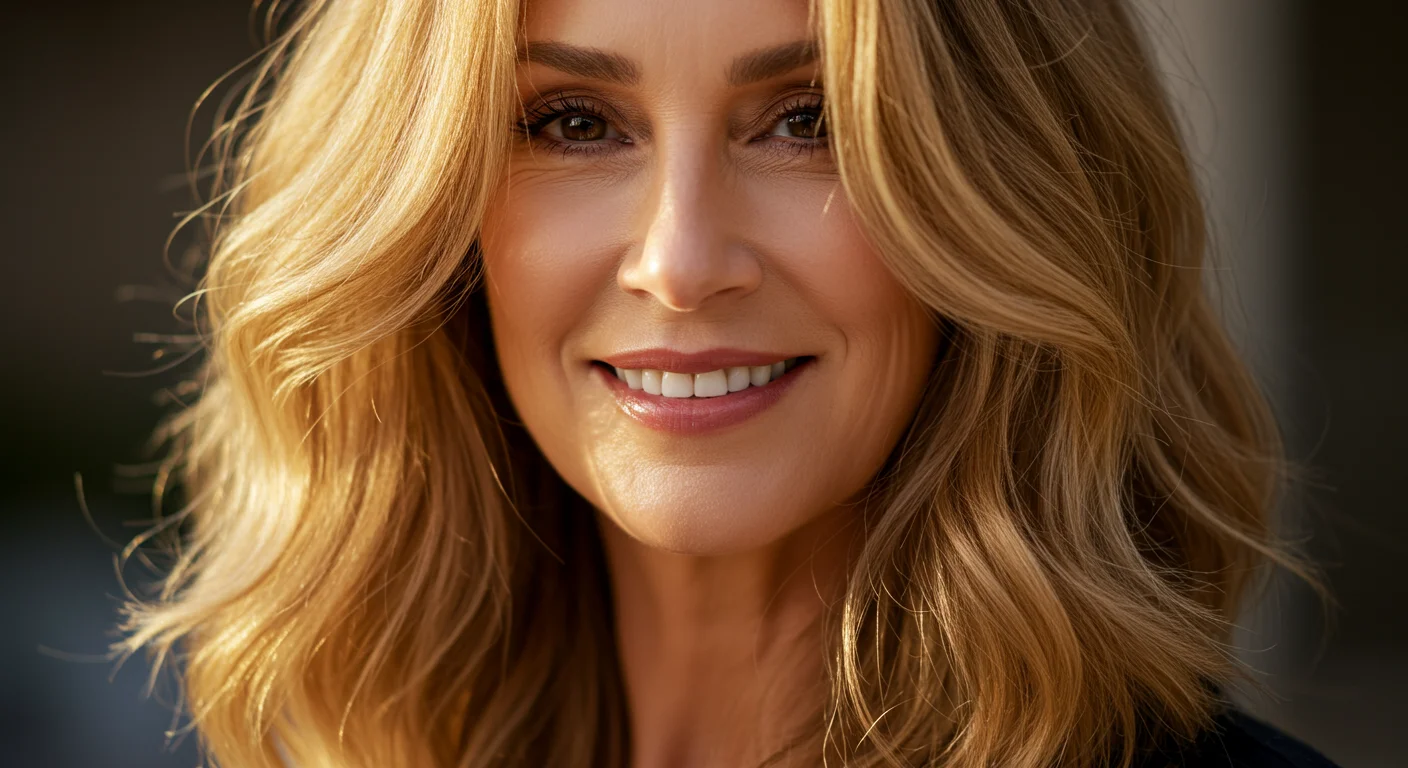
Want to preview these transformations on yourself? Try an AI hair color changer to see how different shades look before booking your appointment.
Before and After Gone Wrong: 4 Mistakes and How to Fix Them
Not every transformation goes as planned. Here are the most common "before and after" disasters—and how to recover from them.
Mistake 1: Going Too Light Too Fast
The before: Rich dark brunette The intended after: Bright golden blonde The actual after: Brassy orange with visible damage
Why it happens: Lifting dark hair more than 2-3 levels in one session pushes the hair beyond its limits. The underlying warm pigments (orange and red) become exposed without proper neutralization, and the hair structure becomes compromised.
The fix:
- Accept that reaching your goal will take multiple sessions (typically 3-4 for dramatic lifts)
- Use bond-building treatments between appointments
- Let a colorist apply toner to neutralize brassiness in the meantime
- Consider a darker "bridge" color while you transition gradually
Mistake 2: Matching Old Photos Instead of Current Skin
The before: Trying to recreate the dark auburn from your 30s The intended after: Youthful throwback The actual after: Washed out and aging
Why it happens: Skin tone changes with age—often becoming lighter and losing warmth. The color that complemented your complexion at 35 may create an unflattering contrast at 55.
The fix:
- Work with your current skin tone, not your memories
- Ask your colorist to adjust the undertone to complement your present complexion
- Consider going 1-2 shades lighter than your remembered shade
- Add warmth if your skin has cooled
Mistake 3: Ignoring Maintenance Reality
The before: Natural salt-and-pepper The intended after: Platinum ice blonde The actual after: Yellow roots and purple-tinged ends
Why it happens: High-maintenance colors require salon visits every 3-4 weeks and specialized home care. Without this commitment, the color deteriorates quickly.
The fix:
- Be honest about your lifestyle and budget before choosing a color
- Transition to a lower-maintenance option like rooted blonde or balayage
- Invest in purple shampoo and proper toning products
- Consider the long-term cost before the initial transformation
Mistake 4: Box Dye Flat Color
The before: Natural dimensional brown The intended after: Rich, salon-quality brunette The actual after: Flat, helmet-like single tone
Why it happens: Box dyes deposit one color uniformly, eliminating all natural variation. They also often contain metallic salts that make future color correction difficult.
The fix:
- See a professional colorist for correction (be honest about box dye history)
- Add highlights and lowlights to restore dimension
- Allow time between the box dye and salon correction to prevent damage
- Transition slowly rather than attempting to fix everything at once
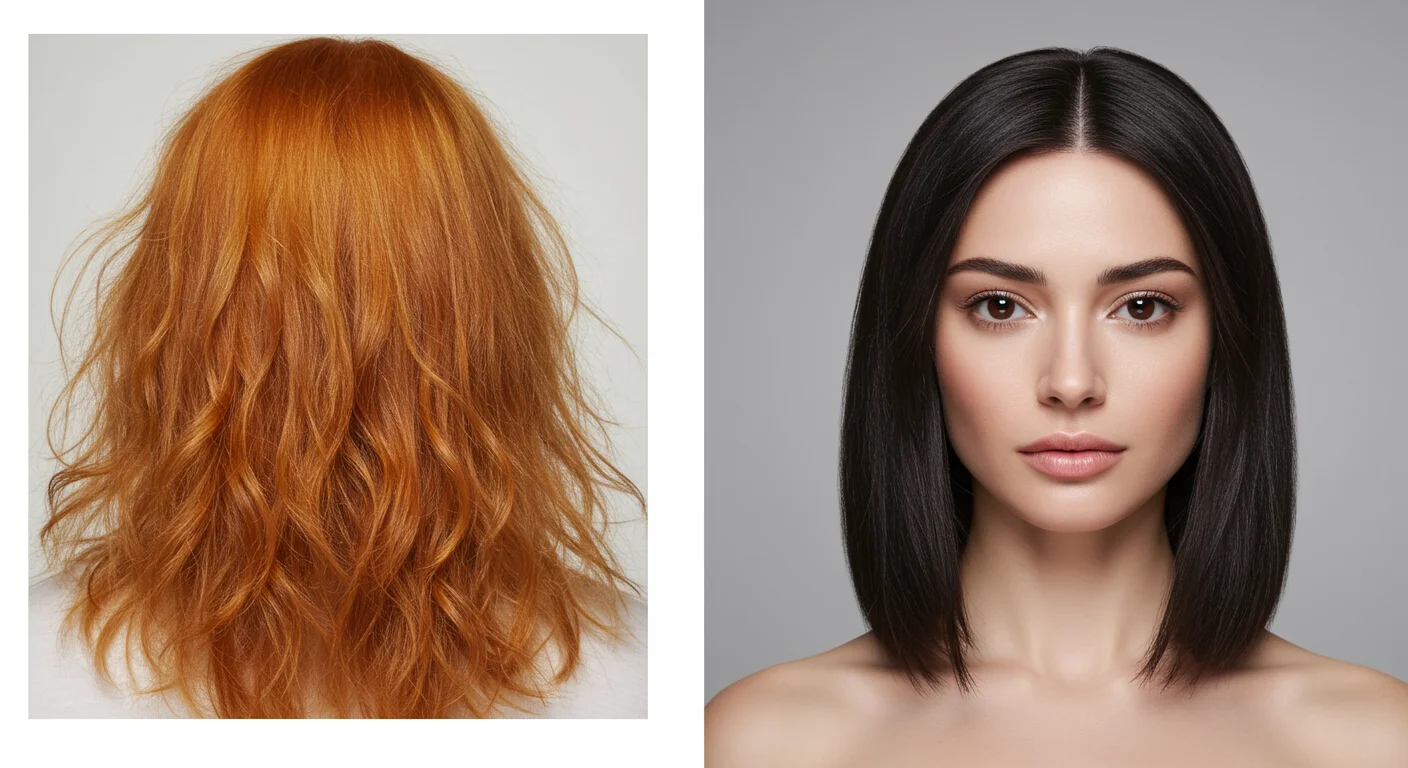
To avoid costly mistakes, use an AI hairstyle changer to test colors virtually before committing.
Real Stories: Hair Color Transformations
Understanding how others have navigated hair color, styling, and perceived age can provide perspective — though individual results vary significantly.
Styling, lighting, and context can influence perceived age as much as hair color itself
“I don't think the first photo is particularly unflattering, but the style, clothing and earrings look like you should be at a work-do or something. You don't look old, as in your face, but it's the style and setting, I think.
Whereas the second one you appear brighter (lighting) and clearer complexion which makes you appear more youthful. Your clothes are also more stylish, with the off-shoulder cut and all. The hairstyle is sweet and fresh too — you kinda look like you should be starting uni.
Sorry for over analysing! But by your other comments you seemed curious as to why people think you looked old.”
— u/seaslugsarecool, r/Hair
Gray hair can read as confident, edgy, and powerful—not inherently aging
“Gorgeous eyes, wow! You look amazing. I like both ways but (don’t hate me for this…) I think I actually prefer the grey!
And this is coming from someone who also has premature grey and has been coloring it since late 20s — about 20+ years. The grey looks edgier and powerful.”
— u/nachobrat, r/HairDye
Key takeaway: Hair color alone rarely determines whether someone looks “older” or “younger.” Lighting, clothing, accessories, and overall styling often play an equal—or greater—role. Even traditionally age-coded features like gray hair can read as stylish, confident, and youthful when paired with the right presentation.
Frequently Asked Questions
How many shades lighter can I go in one session?
For healthy hair, 2-3 shades is generally safe in a single session. Going lighter than this risks damage and brassiness. If you want a dramatic change (like dark brunette to blonde), expect 3-4 sessions spaced several weeks apart with bond-building treatments between appointments.
Will the same color transformation work for everyone?
No. Results depend on your starting color, natural underlying pigments, skin undertone, hair condition, and maintenance commitment. Two women starting with "dark brown" hair might have completely different underlying pigments that affect how the same technique looks on each. This is why seeing a professional matters. For factors that affect how old you look overall, see what makes you look older.
How do I show my stylist what I want?
Bring 3-5 before and after photos of women with similar starting points to yours. Avoid showing only the "after"—your colorist needs to understand the transformation you're envisioning. Discuss what's realistic for your hair in your first session, and be open to hearing that your goal might take multiple appointments.
How long until I see the "younger" effect?
Most people notice the difference immediately after their appointment. However, freshly colored hair often looks different once it's been washed a few times and the color has settled (usually after 1-2 washes). Give it about a week before making final judgments on whether you love it.
What if I don't like the result?
First, wait 48 hours before washing to let the color fully set. Often, initial reactions change after styling at home. If you're still unhappy, contact your colorist—most offer adjustments within a certain window. Toning can address brassiness; glazes can shift undertones; and additional dimension can be added if the color feels flat.
Your 3-Step Action Plan
Step 1: Assess Your Starting Point (5 minutes)
Take a photo of your hair in natural daylight (near a window, no direct sun). Note:
- Your current color and any previous treatments
- Visible gray percentage
- Your skin's undertone (check wrist veins: green = warm, blue = cool)
Curious about your current appearance baseline? Use our AI age detection tool to see your perceived age before making changes.
Step 2: Gather Inspiration Photos (15 minutes)
Search for before and after photos of women with similar:
- Starting hair color to yours
- Age range
- Skin tone
Save 3-5 realistic examples. Look for consistent lighting and natural styling in the photos. Use tools like AI Hairstyle Changer to virtually try different colors on your own photo before committing.
Step 3: Consult Before Committing
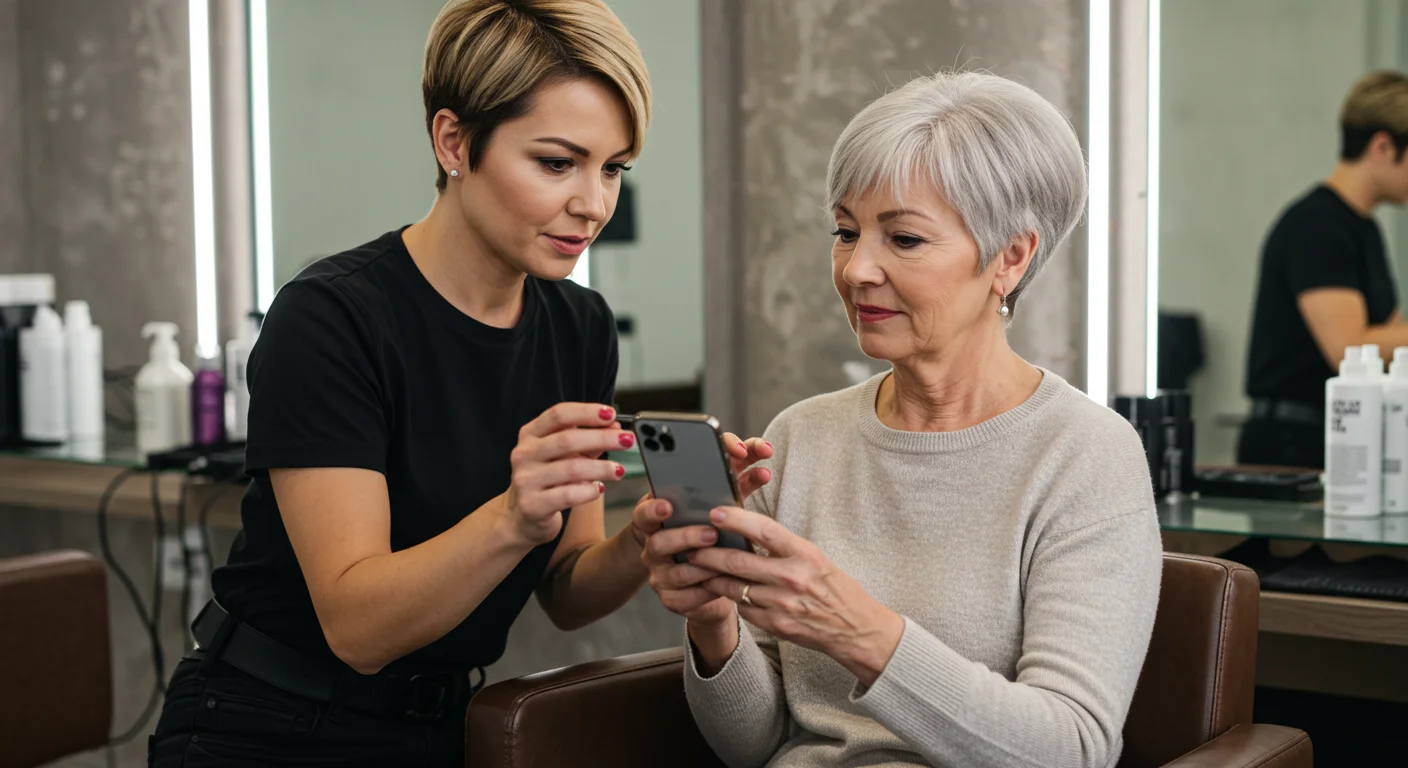
Book a consultation appointment (not a color appointment) with a colorist. Bring your photos and discuss:
- What's realistic for your hair in session one vs. long-term
- Maintenance requirements and cost
- Whether your inspiration photos match your hair's starting point
This investment of time saves money and disappointment compared to jumping straight into transformation.
The Bottom Line
The hair color transformations that genuinely make women look younger share common elements: dimension instead of flat color, warmth that complements rather than drains the complexion, and realistic expectations set from the start.
Before and after photos are your most valuable research tool—but only if you read them critically, understanding the role of lighting, styling, and editing. The best transformations happen when you bring honest reference photos to a skilled colorist and approach the process as a partnership.
Ready to see your starting point? Try our AI age detection tool to establish a baseline, then explore different colors virtually with an AI hair color changer before your salon visit.
For more science-backed approaches to looking your best, see our complete guide on how to look younger.
Related Guides
Complete Hair Color Guide:
Hair Style Guides:
- What Hair Color Makes You Look Younger?
- Does Short Hair Make You Look Younger?
- Hair Color Ideas for Over 60 That Make You Look Younger
- How to Look Younger with Gray Hair
Age & Appearance:
- What Makes You Look Older? 12 Surprising Factors
- How to Look 10 Years Younger: Science-Backed Methods
Makeup & Skincare:
Disclaimer: Individual results vary significantly based on starting hair color, condition, skin tone, and maintenance commitment. This article provides general information for educational purposes and should not replace professional consultation. Always perform a patch test before any color treatment and consult a licensed colorist for personalized recommendations.