
What Hair Color Makes You Look Younger? 7 Expert-Backed Shades + How to Choose Yours
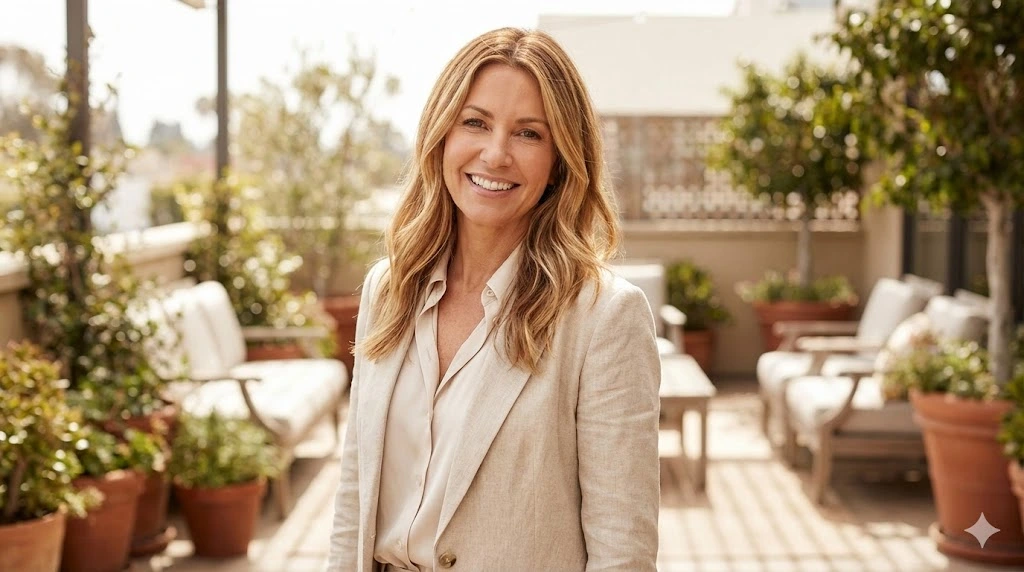
You're standing in the hair color aisle, overwhelmed by dozens of boxes promising "natural-looking results." Or maybe you just left the salon feeling like your new color somehow made you look older instead of refreshed. Sound familiar?
Here's the thing: while most anti-aging conversations focus on skincare and makeup, your hair color might be doing more heavy lifting than you realize. The right shade can brighten your complexion, soften facial features, and create an overall more vibrant appearance. The wrong one? It can wash you out, emphasize fine lines, and add years to your look.
In this guide, we'll break down which hair colors tend to create a more youthful appearance, how to match shades to your skin tone, and the common mistakes that work against you. While individual results vary and a professional colorist can offer personalized advice, these principles can help point you in the right direction.
The Short Answer
Warm, multi-dimensional shades typically create a more youthful appearance. The key factors include: your skin's undertone (warm, cool, or neutral), the dimension in your color (avoiding flat, single-tone shades), and how you handle gray coverage. Hair colors like honey blonde, caramel brown, and soft copper tend to reflect light in ways that brighten the face. However, the "best" color ultimately depends on your individual features.
Why Hair Color Affects How Old You Look
Your hair color influences your appearance in ways that go beyond personal style. Understanding the basics can help you make more informed choices.
The Light Reflection Factor
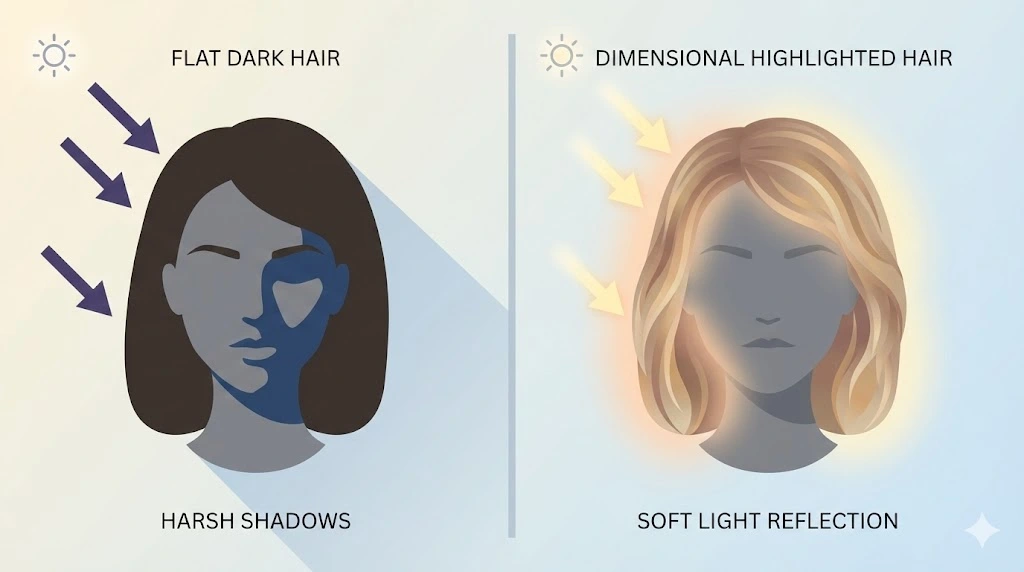
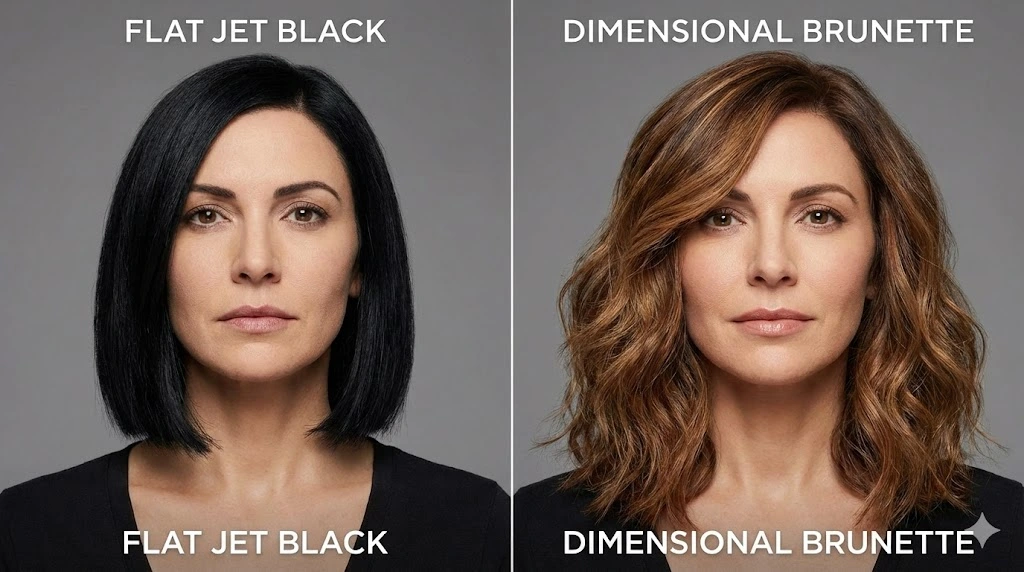
Hair that has dimension—meaning it includes subtle variations in tone rather than one flat color—reflects light differently. According to color theory principles used in both art and beauty industries, multi-tonal colors create visual interest and can draw attention to your best features while minimizing areas you're less fond of.
Face-framing highlights, for example, can brighten the area around your eyes and cheekbones. This is why many colorists recommend adding lighter pieces around the face rather than applying one solid color from root to tip.
The Skin Tone Connection
As we age, skin often loses some of its natural warmth and vibrancy. Hair color that's too dark can create harsh contrast, potentially emphasizing shadows and lines. Meanwhile, hair that's too light may wash out your complexion entirely.
Research in color psychology suggests that warm tones (think golden, copper, and caramel) tend to be perceived as more inviting and energetic. While this doesn't guarantee any specific result, it helps explain why colorists often steer clients toward warmer shades when the goal is a fresher, more vibrant look.
7 Hair Colors That May Help You Look Younger
The following shades are frequently recommended by professional colorists for creating a more youthful appearance. Remember: what works best depends on your unique skin tone, eye color, and personal preferences.
Quick Reference: Hair Colors by Skin Tone
| Skin Tone | Potentially Flattering Colors | Colors That May Be Less Flattering |
|---|---|---|
| Warm (golden/olive undertones) | Honey blonde, Caramel, Rich copper, Golden brown | Ash tones, Blue-black, Platinum |
| Cool (pink/red undertones) | Ash blonde, Soft brown, Burgundy, Champagne | Orange-based shades, Brassy golds |
| Neutral (mix of both) | Bronde, Chocolate brown, Soft auburn, Beige blonde | Extreme light or dark shades |
Tip: Not sure about your undertone? Look at the veins on your inner wrist. Greenish veins often suggest warm undertones, while blue or purple veins may indicate cool undertones. A mix suggests neutral.
For Warm Skin Tones
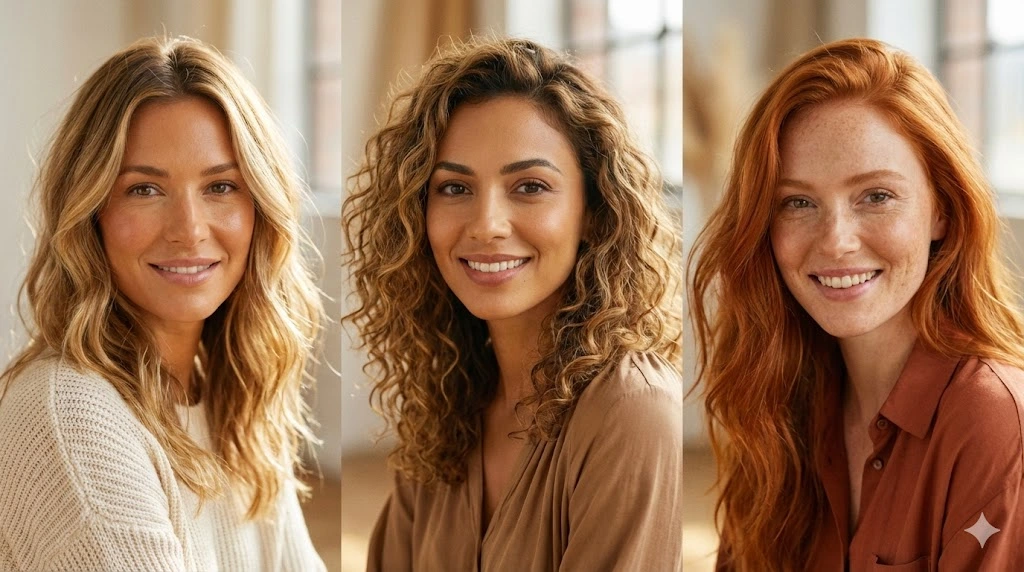
1. Honey Blonde This golden-toned blonde adds warmth without being too light. It works particularly well with face-framing highlights that brighten the complexion. Many colorists suggest this shade for those looking to go lighter while maintaining a natural appearance.
2. Caramel Brown A versatile option that adds dimension to darker hair. Caramel highlights woven through a brunette base can create movement and catch light beautifully. This shade is often recommended for those who want subtle change without dramatic maintenance.
3. Rich Copper Copper tones can add vibrancy and energy to your look. The warmth in copper shades may help counteract any dullness in the skin, creating a more radiant overall appearance.
For Cool Skin Tones
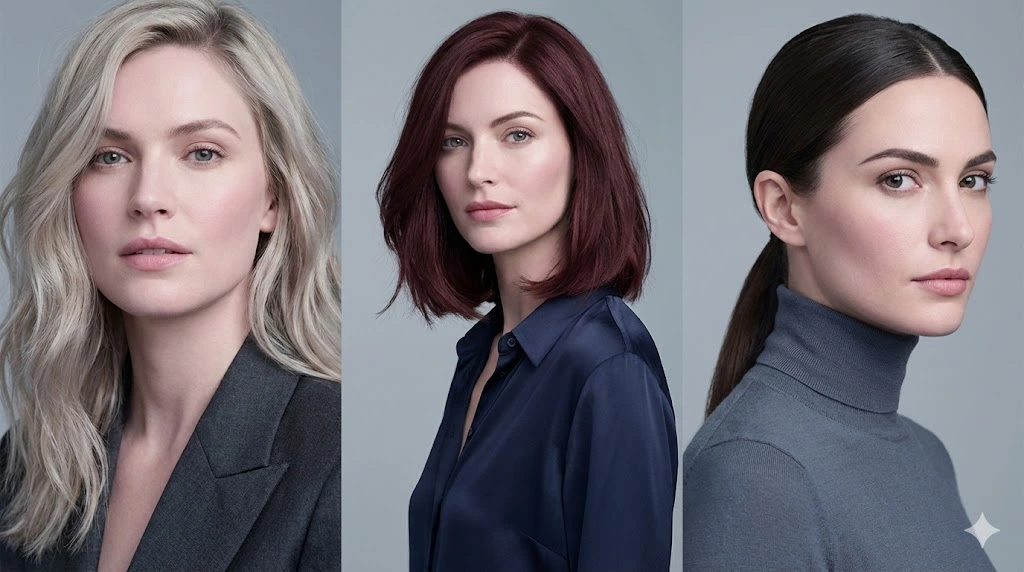
4. Ash Blonde Cool-toned blondes can complement pink or red undertones in the skin without creating clash. Ash blonde also blends more naturally with incoming gray hair, which can mean less-frequent touch-ups.
5. Soft Burgundy For those who want to experiment with red tones, burgundy offers richness without the brassiness that can come with warmer reds. This shade can add depth and interest while still flattering cooler complexions.
For Neutral Skin Tones
6. Bronde Can't decide between blonde and brunette? Bronde—a blend of both—offers the best of both worlds. This dimensional look uses a darker base with blonde highlights, creating depth and movement that can work with most skin tones.
7. Chocolate Brown A classic for a reason. Rich chocolate brown with subtle warm undertones tends to complement a wide range of complexions. It's also generally lower-maintenance than lighter shades.
Curious how a new hair color might change your look? Try experimenting with different shades using an AI hair color changer tool before committing to a salon appointment. For inspiration, see real hair color before and after transformations that take years off.
3 Hair Color Mistakes That May Age Your Appearance
Knowing what to avoid can be just as valuable as knowing what to try. Here are three common missteps that colorists frequently see.
Mistake #1: Choosing a Flat, Single-Tone Color
One-dimensional color—whether it's solid black, uniform brown, or all-over blonde—can sometimes look artificial and draw attention to facial lines. Natural hair typically has variations in tone, so mimicking that with highlights, lowlights, or balayage techniques tends to look more flattering.
What to consider instead: Ask your colorist about adding dimension, even if it's subtle. Even a few face-framing pieces can make a significant difference.
Mistake #2: Going Too Dark
While dark hair can look striking, shades that are dramatically darker than your natural color may create harsh contrast with your skin—especially as skin tone lightens with age. Very dark colors can also emphasize shadows under the eyes and around the mouth.
What to consider instead: If you love darker shades, try staying within two shades of your natural color, or opt for a soft black rather than jet black. Adding some lighter pieces around the face can help soften the overall effect.
Mistake #3: Ignoring Gray Coverage Strategy
How you handle gray hair matters. Some people look fantastic embracing their natural silver, while others prefer coverage. The key is being intentional rather than reactive.
Going too dark to cover grays can create an obvious line of demarcation as hair grows out. Meanwhile, fighting gray with warm tones when your skin has cooled over the years can create mismatched results.
What to consider instead: Discuss gray-blending techniques with a colorist. Options like highlights, lowlights, or gradual lightening can make the transition more seamless—whether you're covering gray or growing it out gracefully.
Real Experiences: What Others Have Found
Understanding how others have reflected on hair color, tone, and perceived youthfulness can provide perspective — though individual results vary significantly.
Blonde tone and depth matter more than simply “going lighter”
“Yep. I wanted a warm blonde balayage and the amount of depth makes it look really nice. Even though I asked for a warm blonde, my hairstylist said that I should not go for the super popular cooler tone blonde as it has a tendency to look like a wig and age you, as it pulls more of a gray/white.”
— u/smallbean-, r/changemyview
Youthful appearance isn’t defined by hair color alone—presence and personality play a role
“I vote first picture, the blonde suits you better. Brunette is good too, you look elegant but for me not as youthful as the blonde one. Either or though—even with filter—your pretty face shined brightly and despite the age it captured youth.
You’re aging gracefully, and I don’t know if anyone else will agree with me, but our positive personality gives us ladies a certain youthful glow that no age, serum, or hair color can replicate or remove. And that’s what I see in your pictures.”
— u/No-Welcome-7491, r/changemyview
Key takeaway: Going blonde doesn't automatically make someone look younger. Undertone, depth, and contrast—especially avoiding overly cool or flat blondes—can make the difference between a fresh look and one that appears aging. Beyond hair color, confidence and positive expression often contribute more to a youthful impression than any single cosmetic choice.
FAQ
Does darker hair make you look older?
Not necessarily, but very dark shades—especially flat, single-tone colors—can create harsh contrast that emphasizes facial lines. If you prefer darker hair, consider adding dimension with highlights or choosing a soft black rather than jet black.
What hair color hides gray while looking natural?
Colors close to your natural shade with some dimensional highlights tend to blend most seamlessly with incoming gray. Ash-toned colors also tend to transition more naturally. Some people find that going slightly lighter makes gray regrowth less obvious.
Should I match my hair color to what it was when I was younger?
Not always. Your skin tone may have changed over the years, so the color that flattered you at 25 might not have the same effect at 45. Consider your current complexion when choosing shades.
How often should I touch up color to maintain results?
This depends on your color choice and how quickly your hair grows. Generally, root touch-ups are needed every 4-6 weeks for full coverage. Balayage and highlight techniques may extend to 8-12 weeks since they grow out more naturally.
Can highlights alone help me look younger?
Face-framing highlights can brighten your complexion and add dimension, which many people find flattering. They're also lower-commitment than all-over color changes.
Your 3-Step Action Plan (Start Today)
Step 1: Determine Your Skin Undertone (5 minutes) Check your wrist veins in natural light. Green suggests warm, blue/purple suggests cool, and a mix indicates neutral. This will guide your color choices.
Step 2: See How Your Current Look Reads (2 minutes) Curious about your current appearance? Use our free AI age detection tool to get an objective baseline. This can help you track whether future changes have the effect you're hoping for.
Step 3: Explore Options Before Committing (10 minutes) Before booking a salon appointment, try visualizing different colors on yourself. Tools like AI hairstyle changers let you preview shades virtually—a helpful way to narrow down options and communicate with your colorist.
What to expect: Finding your ideal shade often takes some experimentation. Be patient with the process, and don't hesitate to consult with a professional colorist who can assess your specific features in person.

Bottom Line
The hair color that helps you look your best is one that complements your skin tone, adds dimension rather than flatness, and suits your lifestyle and maintenance preferences. Warm, multi-tonal shades are often flattering, but the "right" color is ultimately personal.
Ready to see how your current look measures up? Try our AI age detection tool to get a baseline, then experiment with different shades to find what works for you.
Related Guides
Complete Hair Color Guide:
Age & Appearance:
Hair Style Guides:
Disclaimer: This article is for informational purposes only and does not constitute professional beauty or medical advice. The information provided reflects general principles discussed by hair color professionals and should not replace consultation with a licensed colorist or dermatologist. Individual results vary based on many factors including natural hair condition, skin tone, and personal features. Always consult with a qualified professional before making significant changes to your hair color routine.