
Best Hair Color for Your Skin Tone to Look Younger: Complete Guide
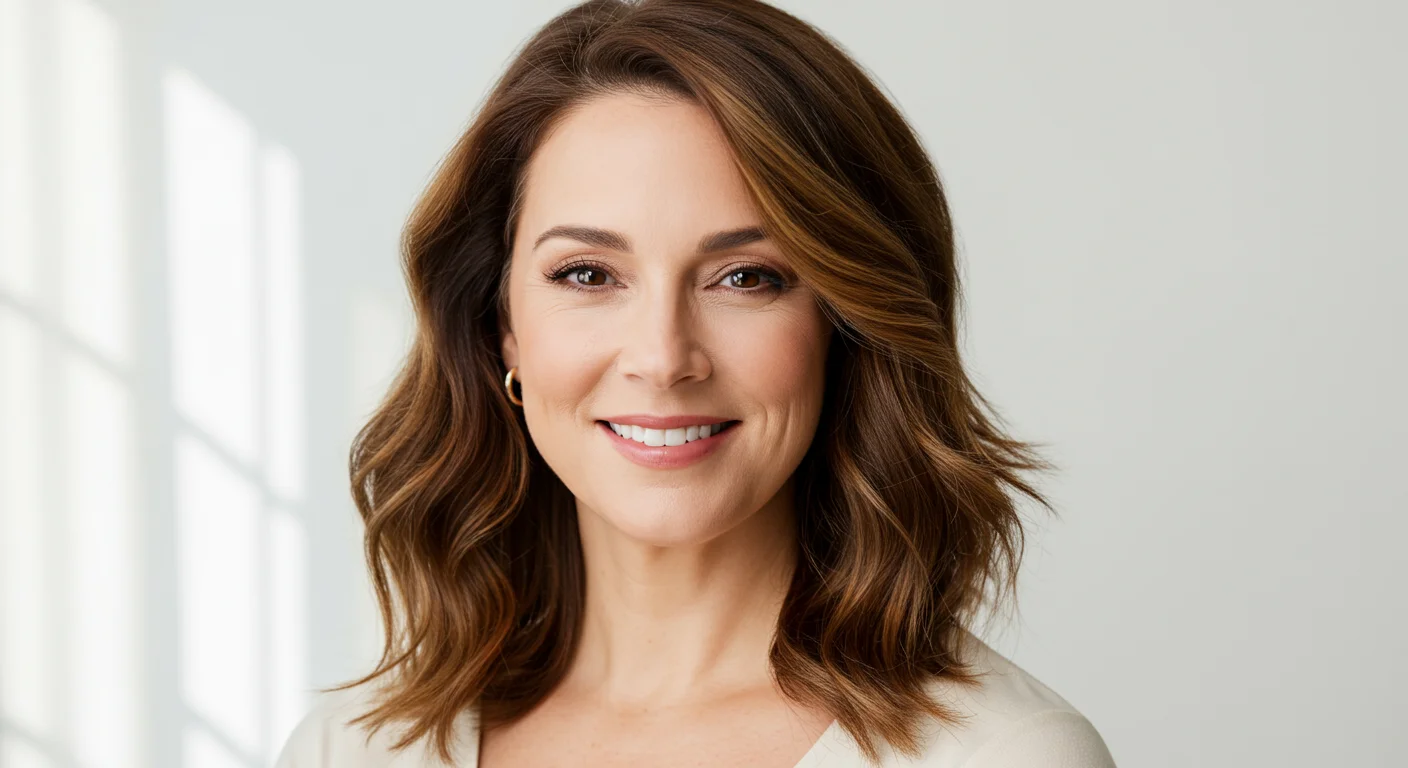
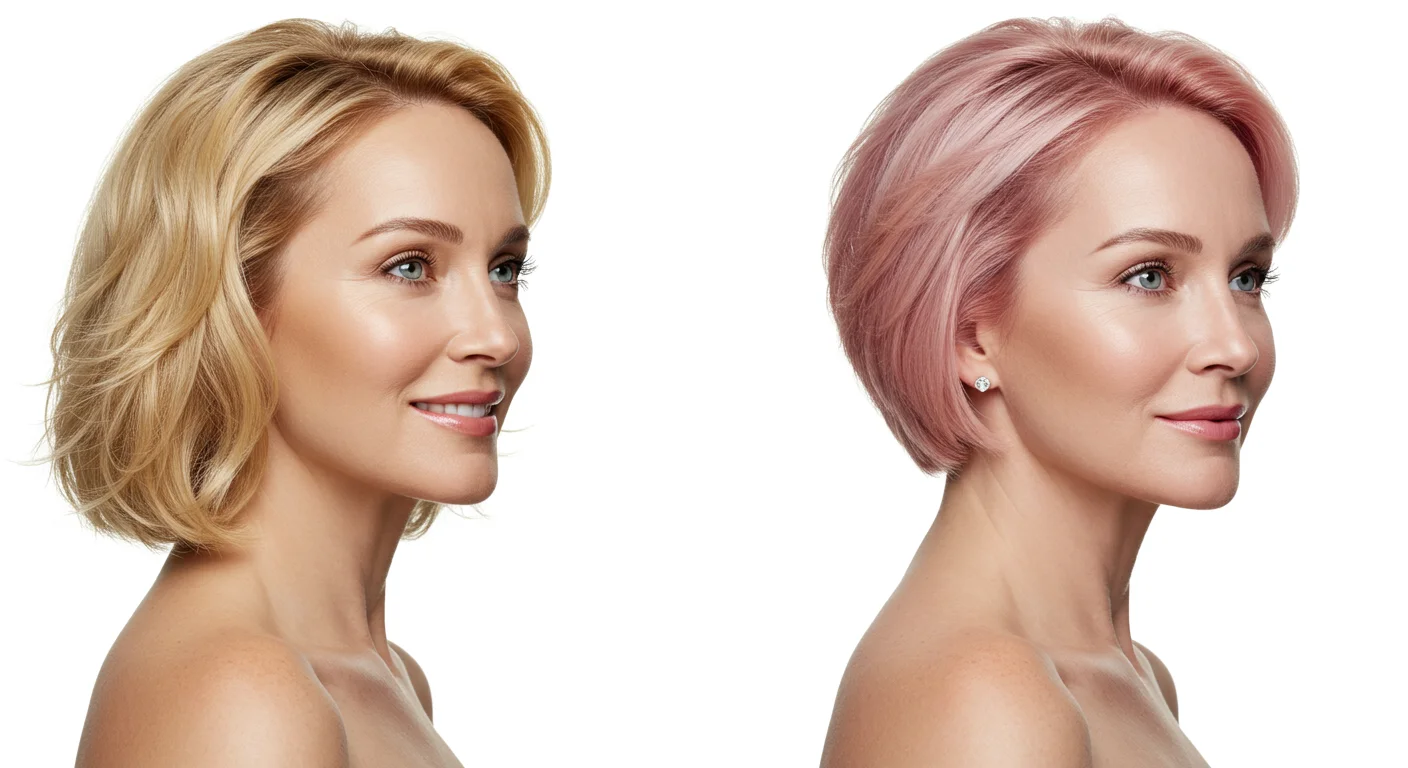
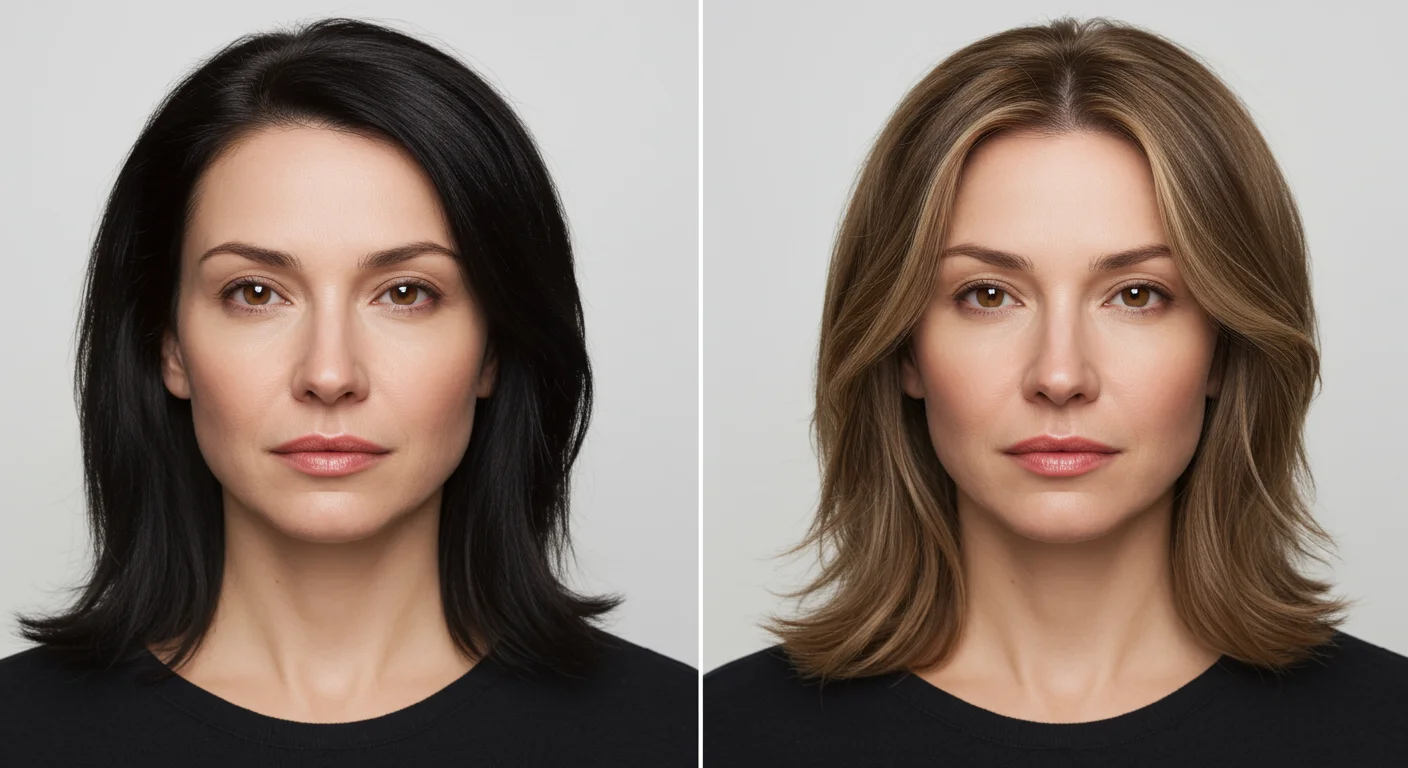
You've seen it happen. Two women try the same hair color—one looks ten years younger, the other looks washed out and tired. The difference isn't the color itself. It's how well that color matches their skin tone.
Here's the frustrating part: most hair color advice ignores this completely. You'll read "honey blonde makes you look younger" without any mention of who it actually works for. The result? Expensive salon visits that leave you looking worse than before.
In this guide, you'll learn exactly how to identify your skin's undertone, which hair colors complement your specific complexion, and the mistakes that make even great colors look aging. While individual results vary, understanding these principles can save you from costly trial and error. Consider consulting a professional colorist for personalized advice.
The Short Answer
The best hair color to look younger is one that harmonizes with your skin's undertone—not just follows trends. Three factors determine success: your undertone (warm, cool, or neutral), your skin depth (fair, medium, or deep), and the right level of contrast for your age. A honey blonde that brightens one person's face can make another look sallow. The key is matching color temperature to your natural coloring.
---Why Your Skin Tone Determines Which Hair Colors Work
Before diving into specific recommendations, it helps to understand why skin tone matters so much. This isn't just about aesthetics—there's actual color theory behind it.
The Color Harmony Principle
Your skin, hair, and eyes form a natural color palette. When all elements share similar undertones (all warm or all cool), they create visual harmony. When they clash—say, ashy hair on warm-toned skin—the mismatch draws attention to imperfections rather than your best features.
Think of it like interior design. A warm-toned room with cool blue furniture looks "off." The same principle applies to your face.
How Hair Color Affects Facial Brightness
Hair frames your face. The right shade reflects light onto your skin, creating a brightening effect that can minimize the appearance of shadows, fine lines, and under-eye circles. According to color theory principles used by professional colorists, warm tones tend to add radiance while cool tones can create a more striking contrast.
The wrong shade does the opposite—it can cast unflattering shadows or drain color from your complexion. This is why certain factors make you look older even when you're doing everything else right.
The Contrast Factor
As skin loses pigmentation with age, the contrast between your hair and face changes. A shade that looked striking at 30 may appear harsh at 50. This is why colorists often recommend softening hair color as you age—not necessarily going lighter, but reducing the stark contrast between hair and skin.
5 Ways to Determine Your Skin Undertone
Before choosing a hair color, you need to know your undertone. This is different from how light or dark your skin is—it's the underlying hue beneath the surface. Here are five reliable methods to figure it out.
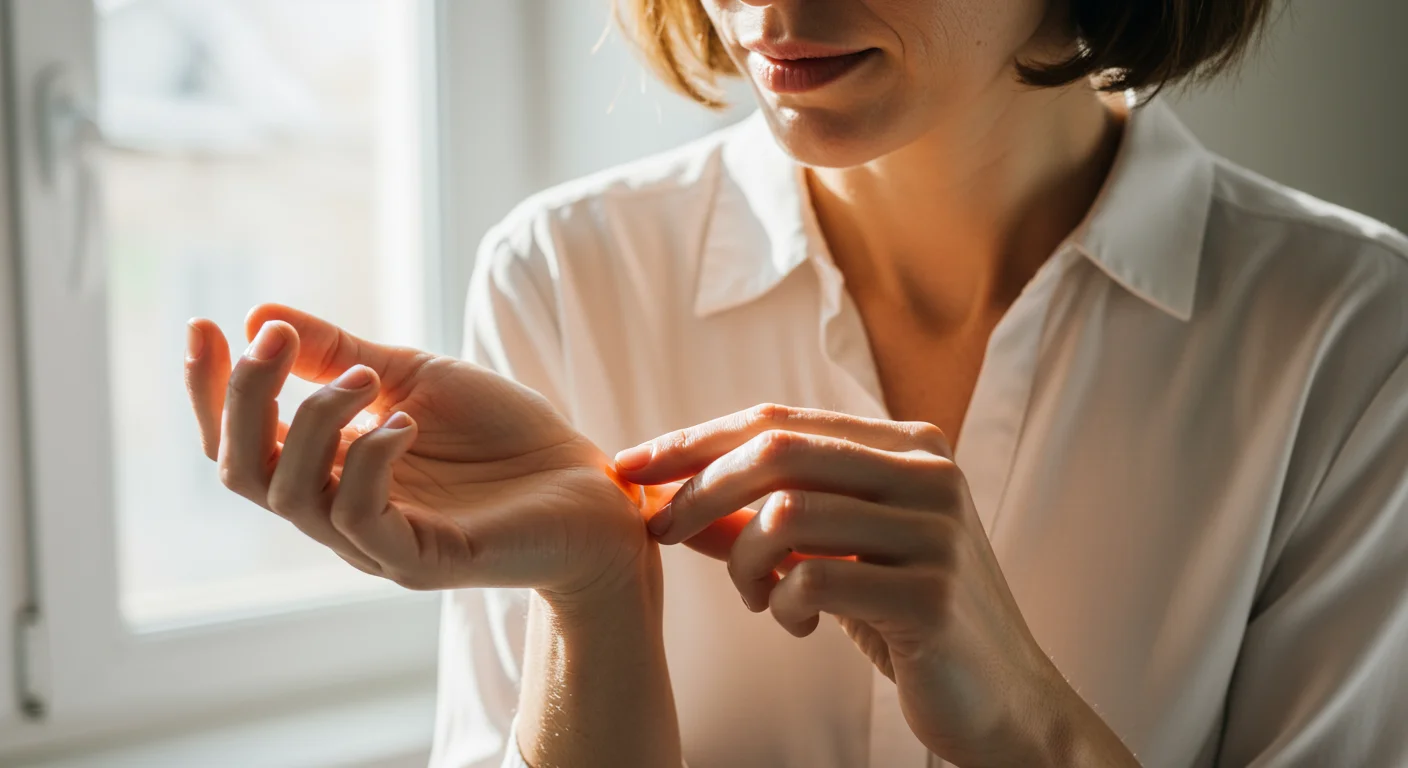
Method 1: The Vein Test
This is the most commonly recommended test, and it's simple.
How to do it: Look at the veins on the inside of your wrist in natural daylight (not under fluorescent lights).
What it means:
- Green veins → Warm undertone
- Blue or purple veins → Cool undertone
- Mix of both → Neutral undertone
Why it works: Your veins appear different colors depending on how your skin filters light. Warmer skin with more yellow pigment makes veins look greenish; cooler skin with more pink/red pigment makes them appear blue.
Method 2: The Jewelry Test
Your instinctive jewelry preferences often reveal your undertone.
How to do it: Hold gold jewelry and silver jewelry next to your face in natural light. Which makes your skin look more vibrant?
What it means:
- Gold looks better → Warm undertone
- Silver looks better → Cool undertone
- Both look equally good → Neutral undertone
This test works because gold has warm yellow tones while silver has cool blue tones. Your skin naturally "agrees" with one more than the other.
Method 3: The White Paper Test
This reveals whether your skin leans yellow or pink.
How to do it: Hold a piece of pure white paper next to your bare face in daylight.
What it means:
- Skin looks yellowish or peachy → Warm undertone
- Skin looks pinkish or rosy → Cool undertone
- Skin looks gray or balanced → Neutral undertone
The stark white provides a neutral backdrop that makes your skin's true hue more visible.
Method 4: Sun Reaction Test
How your skin responds to sun exposure offers clues.
What it means:
- You tan easily and rarely burn → Likely warm undertone
- You burn easily and rarely tan → Likely cool undertone
- You burn first, then tan → Likely neutral undertone
This isn't foolproof—skin sensitivity varies for many reasons—but it's another data point to consider.
Method 5: Natural Hair and Eye Color
Your natural coloring provides hints about your undertone.
Warm undertone indicators:
- Natural hair with golden, red, or auburn tints
- Brown, hazel, or amber eyes
- Skin that looks golden in sunlight
Cool undertone indicators:
- Natural hair with ash or no red tints
- Blue, gray, or deep brown eyes
- Skin that looks pink or rosy
Quick Reference: Undertone Identification
| Test | Warm Indicator | Cool Indicator | Neutral Indicator |
|---|---|---|---|
| Vein color | Green | Blue/Purple | Mix of both |
| Best jewelry | Gold | Silver | Both work |
| Against white | Yellowish | Pinkish | Grayish |
| Sun reaction | Tans easily | Burns easily | Burns then tans |
| Natural features | Golden/auburn hair, warm eyes | Ashy hair, cool eyes | Mix |
Still unsure? You might be neutral—which actually gives you more flexibility in hair color choices.
Best Hair Colors by Skin Tone (With Examples)
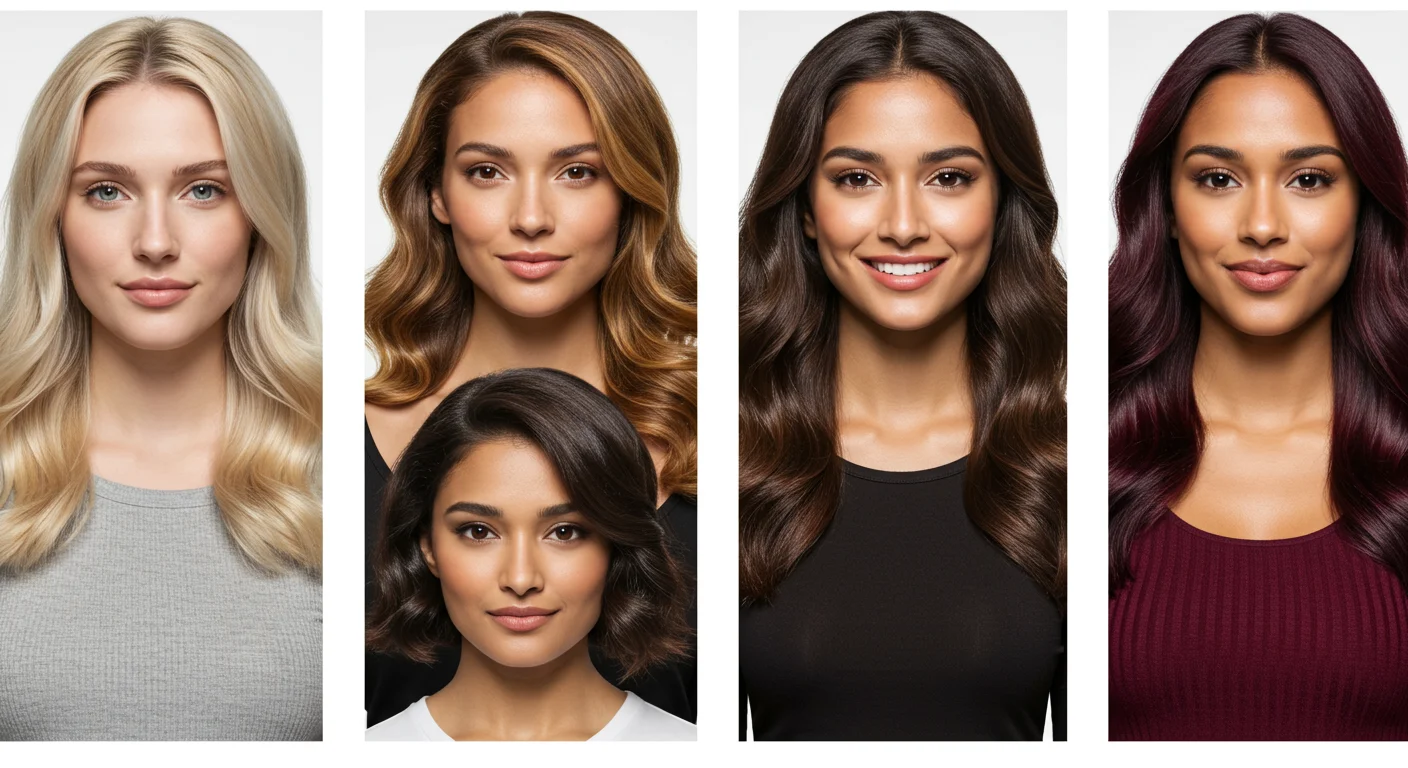
Now that you know your undertone, let's match it with hair colors that make you look younger. Remember: skin depth (fair, medium, deep) matters too, not just undertone.
For Warm Undertones
Warm-toned skin has golden, peachy, or yellow hues. It looks best with hair colors that echo that warmth.
Fair Warm Skin:
- Honey blonde
- Strawberry blonde
- Light golden brown
- Buttery highlights
Medium Warm Skin:
- Caramel
- Copper
- Rich auburn
- Golden brown with highlights
Deep Warm Skin:
- Chestnut
- Warm chocolate brown
- Mahogany
- Toffee with caramel pieces
What to avoid: Ashy tones, platinum, blue-black, or anything with gray undertones. These can make warm skin look sallow or muddy.
For Cool Undertones
Cool-toned skin has pink, red, or blue undertones. It pairs beautifully with hair colors that share that coolness.
Fair Cool Skin:
- Ash blonde
- Platinum (if you can maintain it)
- Cool beige blonde
- Champagne
Medium Cool Skin:
- Ash brown
- Cool taupe brown
- Burgundy
- Mushroom brown
Deep Cool Skin:
- Espresso (cool-toned)
- Blue-black (soft, not harsh)
- Cool dark brown
- Deep burgundy
What to avoid: Orange-based reds, brassy golds, or warm caramel tones. These can clash with your natural coloring and create an unflattering contrast.
For Neutral Undertones
Neutral skin has a balanced mix of warm and cool. Lucky you—this means more flexibility.
Best choices for neutral skin:
- Bronde (brown + blonde)
- Soft natural brown
- Beige blonde
- Chocolate brown
- Most "natural-looking" shades
Strategy: You can lean warm or cool depending on what effect you want. Want to look sun-kissed? Go slightly warm. Want sophistication? Try cooler tones.
Special Case: Olive Skin
Olive skin deserves its own section because it's often misunderstood. Despite having greenish undertones, olive skin can be warm, cool, or neutral.
For warm olive skin:
- Rich chocolate brown
- Warm chestnut
- Copper highlights (subtle)
- Dark caramel
For cool olive skin:
- Espresso brown
- Cool dark brown
- Ash brown (not too light)
- Burgundy accents
For neutral olive skin:
- Mocha brown
- Natural brunette shades
- Soft balayage with mixed tones
What olive skin should generally avoid: Anything too ashy or too orange. Extremes tend to clash with olive's unique green undertone.
Complete Hair Color Recommendation Chart
| Skin Depth | Warm Undertone | Cool Undertone | Neutral Undertone |
|---|---|---|---|
| Fair | Honey blonde, Strawberry, Light golden brown | Ash blonde, Platinum, Champagne | Beige blonde, Soft bronde |
| Medium | Caramel, Copper, Auburn, Golden brown | Ash brown, Burgundy, Mushroom, Taupe | Bronde, Natural brown, Soft chocolate |
| Deep | Chestnut, Mahogany, Toffee, Warm chocolate | Espresso, Cool dark brown, Deep burgundy | Rich brown, Chocolate, Dark bronde |
4 Hair Color Mistakes That Make You Look Older
Even with the right shade in mind, certain application mistakes can sabotage your results. Here's what to avoid.
Mistake #1: Ignoring Your Undertone Completely
This is the most common mistake—and the whole reason this article exists.
What happens: You see a gorgeous caramel brown on a celebrity and assume it will look the same on you. But she has warm undertones and you have cool ones. On you, that caramel looks brassy and unflattering.
The fix: Always filter color inspiration through your undertone. If you love a warm shade but have cool skin, find the cool-toned equivalent. For example, swap golden caramel for cool-toned taupe or mushroom brown.
Mistake #2: Going Too Dark as You Age
Many women instinctively reach for darker colors to cover gray. But as skin loses pigmentation with age, very dark hair creates harsh contrast that emphasizes lines and shadows.
What happens: That jet black or deep espresso that looked edgy at 30 now casts shadows under your eyes and makes you look tired.
The fix: Consider going one to two shades lighter than you think you need. Or add face-framing highlights to soften the contrast. For more age-specific advice, see our guide on hair color for women over 60.
Mistake #3: Choosing Flat, Single-Tone Color
Natural hair is never one solid color. It has dimension—lighter pieces where the sun hits, darker underneath. Single-process, all-over color looks artificial and can actually draw attention to facial imperfections.
What happens: Flat color reflects light uniformly, creating a "helmet" effect that looks dated. It also grows out with an obvious line of demarcation.
The fix: Ask your colorist about dimensional techniques: highlights, lowlights, balayage, or color melting. Even subtle variation creates movement and a more youthful appearance.
Mistake #4: Not Updating Color as Your Skin Changes
Your skin tone shifts over time. Sun damage, hormonal changes, and natural aging can all alter your complexion. The hair color that was perfect five years ago may no longer be your best match.
What happens: You keep coloring your hair the same shade out of habit, not noticing that it's become less flattering as your skin has changed.
The fix: Reassess your undertone every few years. Pay attention to how your skin looks next to your current hair color. If something feels "off," it might be time for an adjustment.
Real Stories: Finding the Right Match
Understanding how others have navigated hair color choices and seasonal color analysis can provide perspective — though individual results vary significantly.
Natural hair color is inherently harmonious, but strategic dyeing can enhance warmth and contrast
“From what I’ve seen, your natural hair color will always be harmonious, but dyeing your hair can enhance certain features. Like Amy Adams—she is a Spring and has strawberry blonde hair, but looks amazing with red hair as well. In this case she enhanced warmth.
Jennifer Lopez is an Autumn and has dark brown hair. However, when she has highlights, they bring out that warmth as well, and it still looks very harmonious because she keeps the medium-high contrast needed for autumns.
In my opinion, warm seasons allow more experimenting than cooler ones. But in your case especially, if you feel comfortable in your hair color, don’t change it. You don’t have to change your hair color to fit into your color season.”
— u/MalenaDraper, r/coloranalysis
Different hair colors can flatter in different ways—contrast often matters more than warmth alone
“They both look so pretty! The amount of people saying the brown is too warm is silly because, in my opinion, it doesn’t look any warmer than the blonde.
The blonde overall looks pretty because it kind of blends with your skin so everything looks soft and honey-like. However, I think the brown makes your skin on its own look brighter and healthier. I think I’d say I like the brown better.”
— u/Prettyplaguerat, r/coloranalysis
Key takeaway: Color analysis can be a helpful framework, but it isn’t a rulebook. Natural hair color is almost always harmonious, while changes in shade mainly shift contrast, warmth, and how skin tone is perceived. Feeling comfortable and confident in your hair often matters more than perfectly matching a seasonal category.
FAQ
Can the same hair color look completely different on two people?
Yes, absolutely. The same "honey blonde" dye can look golden and glowing on warm-toned skin but brassy and unflattering on cool-toned skin. This is why undertone matching matters more than picking a specific named shade.
Should I match my hair color to my natural childhood color?
Not necessarily. Your skin tone may have changed since childhood, and what suited you at 10 won't necessarily flatter you at 40. Focus on your current skin tone rather than trying to recreate the past.
How do I know if a hair color will wash me out before trying it?
Look for warning signs: the color has undertones opposite to your skin (warm color + cool skin or vice versa), it's very close to your skin tone with no contrast, or it's extremely light when your features are dark. Virtual try-on tools can help you preview before committing.
Does skin tone actually change with age?
Yes. Skin typically loses warmth and vibrancy over time. Someone who was clearly warm-toned at 25 might shift toward neutral by 50. Hormonal changes, sun damage, and reduced blood flow all contribute. This is why periodic reassessment matters.
What if I have olive skin—am I warm or cool?
Olive skin can be either. The greenish undertone is separate from warm/cool. Do the vein and jewelry tests to determine whether your olive skin leans warm (golden-olive) or cool (gray-olive). Many olive-skinned people are actually neutral, giving them flexibility in color choices. Avoid extremes—very ashy or very orange tones tend to clash with olive skin.
Your 3-Step Action Plan (Start Today)
Step 1: Determine Your Undertone (5 minutes)
Do at least two of the tests described above (vein test + jewelry test work well together). Write down your result: warm, cool, or neutral. If you're uncertain, you're likely neutral.
Step 2: Identify Your Skin Depth (2 minutes)
Look at your skin in natural light. Are you fair (burns easily, light complexion), medium (some tan ability, moderate complexion), or deep (rarely burns, rich complexion)? Combine this with your undertone for your full skin profile.
Step 3: Preview Before You Commit (10 minutes)
Before booking a salon appointment, use a virtual hair color try-on tool. Many apps and websites let you upload a photo and test different shades. This helps you visualize options and communicate better with your colorist. For a baseline on your current appearance, try our AI age detection tool to see how you're reading now.
What to expect: Finding your ideal shade might take one or two tries. Use this guide to narrow down options, but don't be afraid to fine-tune. A skilled colorist can adjust warmth and depth to perfectly match your unique coloring.

Bottom Line
The secret to hair color that makes you look younger isn't following trends—it's understanding your skin's undertone and choosing shades that harmonize with it. Warm skin thrives with golden, caramel, and copper tones. Cool skin glows with ash, platinum, and burgundy. Neutral skin has the most flexibility.
Remember: as your skin changes over time, your ideal hair color may need adjusting too. The shade that was perfect at 35 might need tweaking at 50.
Ready to see how your current look reads? Try our AI age guesser for an objective assessment, then use what you've learned here to find your most flattering shade.
Related Guides
Complete Hair Color Guide:
Hair Style Guides:
- What Hair Color Makes You Look Younger? 7 Expert-Backed Shades
- 7 Hair Color Ideas for Over 60 That Make You Look Younger
- How to Look Younger with Gray Hair: 9 Expert-Backed Tips
- Does Short Hair Make You Look Younger?
Age & Appearance:
- What Makes You Look Older? 12 Surprising Factors
- How to Look 10 Years Younger: Science-Backed Methods
Makeup & Skincare:
Disclaimer: This article is for informational purposes only and should not be considered professional medical or beauty advice. Individual results may vary based on personal factors including skin tone, face shape, and hair texture. For personalized recommendations, consider consulting with a licensed dermatologist or professional hairstylist.